Revolutionizing Web Applications: Unleashing the Power of AI Agents like ChatGPT
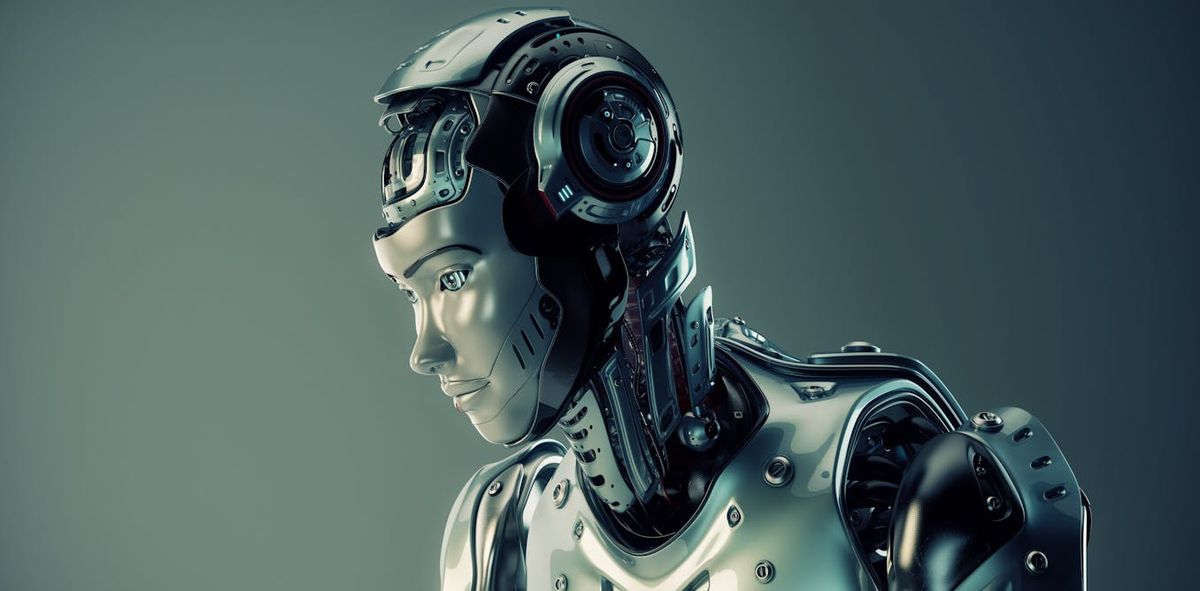
In the ever-evolving landscape of web technology, AI agents like ChatGPT are at the forefront of a revolution. These sophisticated tools are not only transforming the way we interact with web applications but are also redefining the possibilities of personalized and automated services. This article delves into the impact of conversational AI, explores the emergence of advanced AI technologies such as AutoGPT, and examines their strategic implications for diverse fields including content creation, business operations, and data science.
Key Takeaways
- Conversational AI, particularly ChatGPT, is significantly enhancing user experiences and automating interactions in web applications.
- AutoGPT represents a new frontier in AI technology with its ability to self-improve, presenting both opportunities and challenges for web services.
- AI agents are streamlining content generation and task management, exemplified by innovations like AITable.ai, while addressing the need for a human touch.
- The integration of AI agents into business operations is creating a new paradigm for autonomous business processes and competitive analysis.
- The application of AI in artistic expression and data science is rapidly evolving, with tools like Ideogram pushing the boundaries of AI-generated art and data analysis.
The Advent of Conversational AI in Web Applications
Defining Conversational AI and Its Capabilities
At the heart of the digital transformation lies Conversational AI in Web Services, a technology that is redefining the way we interact with the web. Conversational AI refers to the use of chatbots, virtual assistants, and other AI-powered communication tools that can understand, process, and respond to human language in a natural and intuitive way.
- Understanding: The ability to comprehend user queries.
- Processing: Analyzing the input and determining the best course of action.
- Responding: Delivering a coherent and contextually relevant answer.
Conversational AI is not just a technological advancement; it's a gateway to creating more personalized, efficient, and engaging user experiences.
The capabilities of Conversational AI extend beyond simple question-and-answer scenarios. They encompass complex problem-solving, personalized recommendations, and seamless integration into existing systems, transforming the landscape of customer service, e-commerce, and beyond. As we delve deeper into the era of digital interactivity, the role of Conversational AI becomes increasingly pivotal in shaping a user-centric web.
Embrace the future of web applications by integrating Conversational AI into your digital strategy. The journey towards a more dynamic and intelligent web is just beginning, and you are invited to be a part of it. Engage with us, share your thoughts, and let's explore the boundless possibilities together.
Enhancing User Experience with ChatGPT Integration
The integration of AI Chatbots for Web Apps has become a game-changer in the realm of customer interaction. ChatGPT, with its conversational prowess, has elevated the user experience to unprecedented levels. Users now enjoy seamless, intuitive, and highly personalized interactions, which not only meet but often exceed their expectations.
- Instantaneous response: Users no longer face the frustration of waiting for assistance.
- 24/7 availability: ChatGPT's round-the-clock presence ensures no query goes unanswered.
- Contextual understanding: The AI's ability to grasp context results in more relevant and satisfying interactions.
The beauty of ChatGPT lies in its ability to learn and adapt from each interaction, continuously refining the user experience.
Businesses leveraging ChatGPT have reported significant improvements in customer satisfaction and operational efficiency. Stas Sorokin offers expertise in using GPT-4 for web applications, providing AI-powered solutions like medical summaries, financial reports, and more. Extensive experience, premium support, and original work guaranteed. The transformative impact of ChatGPT on web applications is not just a promise—it's a reality that's reshaping the digital landscape. Embrace the revolution; integrate ChatGPT into your web services today.
Case Studies: Successful Implementations of AI Agents
The landscape of web development is being reshaped by the integration of AI Agents, leading to a surge in AI-Powered Web Applications that are not only smarter but also more intuitive. AI-driven success stories showcase the transformative power of AI in business, improving decision-making, boosting performance, and optimizing service delivery for growth and success. These AI User Interaction Web Apps are setting new benchmarks in user engagement and satisfaction.
The seamless integration of AI in Web Apps has revolutionized the way we interact with digital platforms, offering personalized experiences and intelligent responses in real-time.
Building AI-Enabled Web Platforms involves a meticulous process of AI Web App Customization, ensuring that each application is tailored to the specific needs of the business. The following list highlights some of the key areas where AI Agents have been successfully implemented:
- AI Agents in Web Development for dynamic content creation
- Implementing AI Agents in Websites to enhance customer support
- AI-Driven Web App Features that streamline workflows
- Custom AI Web Applications that drive user engagement
- AI Web App User Experience improvements through predictive analytics
Intelligent Agents in Web Design are not just a futuristic concept; they are here, and they are reshaping the digital landscape. As we continue to witness Web Applications with AI Capabilities, it is clear that the era of Web App AI Automation is upon us. AI Agent Integration in Web Services is not just about Enhancing Web Apps with AI Tech; it's about creating a more connected and efficient world.
The Emergence of AutoGPT and Its Implications for Web Services

Comparative Analysis: ChatGPT vs. AutoGPT
In the burgeoning field of conversational AI, two titans have emerged: ChatGPT and AutoGPT. Both have carved out their niches, but how do they stack up against each other? ChatGPT is renowned for its conversational prowess and versatility, while AutoGPT boasts a self-improving algorithm that could redefine AI's potential.
- ChatGPT is designed to simulate human-like conversations, providing responses that can be uncannily coherent and contextually relevant.
- AutoGPT, on the other hand, is engineered with the capability to learn from its interactions, potentially increasing its efficiency and accuracy over time.
The promise of AutoGPT lies in its iterative learning process, which could lead to unprecedented levels of autonomy in AI systems.
While ChatGPT has been integrated into numerous web services, AutoGPT's self-improving nature suggests a future where AI could require less human oversight. However, this also raises questions about control and the ethical implications of such advanced AI systems. As we delve deeper into the capabilities and potential of these AI agents, it is crucial to consider not only their technological prowess but also the broader impact they may have on society.
Engage with us as we explore the frontiers of AI technology. Your insights and experiences are invaluable in shaping the conversation around these transformative tools. Join the dialogue and be part of the revolution.
The Self-Improving Nature of AutoGPT
The concept of self-improvement in artificial intelligence is not just a futuristic fantasy; it's a present reality with AutoGPT. This advanced AI system is designed to learn from interactions, refine its algorithms, and enhance its performance over time without human intervention. AutoGPT's ability to self-improve is a game-changer, setting a new standard for what we can expect from AI technologies.
AutoGPT's iterative learning process can be broken down into a few key steps:
- Continuous data ingestion from user interactions and other sources
- Analysis and identification of patterns and areas for enhancement
- Autonomous updating of models to reflect new insights
- Deployment of improved models for more accurate and efficient responses
This cycle ensures that AutoGPT remains at the cutting edge, constantly evolving to meet the demands of its users. The implications of such a system are profound, offering the potential to revolutionize industries and redefine our relationship with technology.
Embracing the self-improving nature of AutoGPT could mean the difference between staying relevant and falling behind in the rapidly advancing digital landscape.
As we marvel at the possibilities, it's crucial to stay informed and prepared for the changes that AutoGPT brings. Engage with experts like Stas Sorokin, who can provide tailored learning experiences to help you harness the full potential of AI in your field. The journey of discovery and adaptation is ongoing, and the time to start is now.
Potential Risks and Ethical Considerations
As we embrace the transformative capabilities of AI agents like AutoGPT, it is imperative to address the ethical AI in business. The integration of AI into web services is not without its challenges; transparency, accountability, fairness, and privacy are pillars that must support the deployment of these technologies. Embedding AI responsibly not only enhances social impact but also bolsters competitiveness.
The potential for GenAI-powered applications to be compromised by malware or other cyber-attacks is a pressing concern. Recent discussions around GenAI malware have highlighted vulnerabilities in Retrieval-Augmented Generation (RAG)-based applications, revealing the need for robust defenses. The table below summarizes key risks associated with GenAI models:
| Risk Factor | Description |
|---|---|
| Security Breaches | Possibility of jailbreaking models, leaking data, or poisoning dialogue. |
| Privacy Concerns | Risks of unauthorized data access and misuse. |
| Malware Exploitation | Novel threats targeting GenAI-powered ecosystems. |
| Integrity Attacks | Direct and indirect prompt injection methods compromising model integrity. |
Predictive analytics revolutionize data analysis for SaaS businesses, yet they also amplify the need for stringent security measures.
In light of these risks, it is crucial to develop countermeasures that safeguard the integrity and trustworthiness of AI agents. The journey towards a secure and ethical AI landscape is complex, but it is a necessary endeavor to ensure the longevity and success of AI-driven innovations.
AI-Driven Content Creation and Task Management

The Role of AI in Streamlining Content Generation
In the digital era, the demand for rapid and high-quality content creation is paramount. Generative Artificial Intelligence (GenAI) has emerged as a transformative force, enabling the production of text, images, audio, and video content at unprecedented scales. The integration of platforms like AITable.ai with OpenAI's advanced algorithms through services like Albato exemplifies this synergy, offering a step-by-step guide for an automated content creation workflow that is efficient, consistent, and scalable.
The workflow not only frees up valuable time for creative teams but also ensures a consistent brand voice and style across all content outputs.
With the advent of tools like AutoGen Studio 2.0 and ChatGPT, the process of transforming various forms of media into engaging written material has been simplified. This hands-on experience with AI tools in content creation provides a glimpse into the future of digital marketing and beyond. The table below illustrates the benefits of integrating AI in content generation:
| Benefit | Description |
|---|---|
| Efficiency | Accelerates the content creation process, saving time and resources. |
| Consistency | Maintains a uniform brand voice and style across different content pieces. |
| Scalability | Enables the production of a large volume of content swiftly. |
| Versatility | Supports a wide range of applications beyond content creation. |
As we step into the future with AI-driven solutions like AITable.ai, we unlock a world of possibilities for automating operations and making data-driven decisions. The potential extends beyond content creation to analyzing customer data, managing inventory, and even automating the publication of blog articles. Embrace the power of AI and revolutionize your content strategy. Are you ready to harness the potential of AI in your content generation efforts? The time to act is now.
AITable.ai: Pioneering AI in Task Management
In the vanguard of task management innovation, AITable.ai emerges as a pivotal force, redefining efficiency and intelligence in business workflows. By leveraging AI to automate and optimize tasks, AITable.ai transcends traditional task management paradigms, offering a no-code app creation experience that is both intuitive and powerful.
AITable.ai is not merely a digital assistant; it is an intelligent ecosystem that transforms tabular data into dynamic AI agents. These agents, ranging from Customer Service Chatbots to Enterprise Assistants, are tailored to enhance productivity and streamline operations.
AITable.ai challenges the preconceived notions of task management, proving that AI can not only replicate but also enhance the human touch in managing tasks.
The platform's multifaceted capabilities are encapsulated in its core features:
- No-code AI Agent generation
- Customizable ChatGPT integration
- Multidimensional spreadsheet-based data management
- Intuitive kanban for project and task visualization
As we embrace the future of task management, AITable.ai stands at the forefront, inviting businesses to experience the synergy of AI and human ingenuity. Discover how AITable.ai can revolutionize your approach to tasks and workflows by visiting our website and joining the AI revolution in task management.
Overcoming the Lack of Human Touch in AI-Generated Content
In the quest to humanize AI-generated content, the key lies in the subtle art of blending technology with the nuances of human creativity. Incorporating empathy and emotional intelligence into AI can bridge the gap between the mechanical and the personal, creating content that resonates on a deeper level with audiences.
To achieve this, consider the following steps:
- Infuse AI content with personalized elements that reflect the user's preferences and history.
- Employ feedback loops that allow AI to learn from user interactions and refine its approach.
- Collaborate with human experts to oversee and guide AI-generated content, ensuring it aligns with human values and cultural contexts.
The true challenge is not just to generate content, but to craft messages that carry the warmth and relatability of human touch.
As we embrace the AI-driven automation revolution in various sectors, it's crucial to remember that the ultimate goal is to enhance human experiences, not replace them. By taking these steps, we can leverage AI to create content that not only informs and engages but also connects and empathizes.
The Strategic Impact of AI Agents on Business Operations
Autonomous Business Agents: A New Paradigm
The corporate landscape is on the cusp of a transformative shift with the advent of autonomous business agents. These AI-driven entities are not mere tools but collaborators, capable of executing tasks with a level of autonomy that was once the exclusive domain of human intellect.
The integration of autonomous agents within business operations marks a significant leap towards a more efficient, responsive, and intelligent enterprise environment.
These agents, leveraging the prowess of Large Language Models (LLMs) and Machine Learning (ML) models, are redefining the way businesses interact with data, customers, and even their own internal processes. Here's a glimpse into the capabilities they bring to the table:
- Decision-making: Empowered by AI, these agents can analyze vast datasets to inform strategic decisions.
- Customer interaction: They can manage customer service and support, providing personalized experiences at scale.
- Operational efficiency: Autonomous agents streamline workflows, reducing the need for manual intervention and minimizing errors.
The strategic deployment of these AI agents is not without its challenges, yet the potential rewards beckon a future where businesses operate with unprecedented agility and insight. As we stand on the brink of this new era, it is imperative for business leaders to embrace the change, harnessing the power of AI to drive innovation and competitive advantage.
We invite you to join the conversation and explore how autonomous business agents can revolutionize your operations. The journey towards an AI-augmented future is just beginning, and the opportunities are limitless. Engage with us, and together, let's navigate this exciting frontier.
AI Versus AI: Competitive Analysis in Business Contexts
In the dynamic arena of business, the deployment of AI agents has become a strategic imperative. AI-driven data analysis offers operational excellence, efficiency, and competitive advantage. The competitive landscape is now defined by how effectively a business can leverage AI against its AI-powered peers. Expert guidance is key for businesses to navigate this transformative journey successfully.
The integration of AI agents into business operations is not just about automation; it's about creating a symbiotic relationship between human and machine intelligence to foster innovation and growth.
AITable.ai stands as a testament to the power of AI in enterprise ecosystems. By building an AI matrix, it provides comprehensive support across various domains such as customer service, HR onboarding, and content marketing. Here's a glimpse into the AI matrix offered by AITable.ai:
- Customer Service AI: Enhances client interactions and automates responses.
- HR Onboarding AI: Streamlines the hiring process and employee integration.
- Content Marketing AI: Automates content creation and distribution.
- Data Analysis AI: Generates insights from tabular data to inform strategic decisions.
As businesses continue to adopt AI solutions, the importance of a well-structured AI matrix becomes clear. It's not just about choosing an AI agent; it's about creating an ecosystem where multiple AI agents work in harmony to drive business success.
Integrating AI Agents into Enterprise Ecosystems
The integration of AI agents into enterprise ecosystems marks a transformative era in business operations. AI agents, powered by Large Language Models (LLMs) and Machine Learning (ML) models, are not mere tools but partners in progress. They are designed to understand and execute tasks with a level of sophistication previously unattainable, heralding a new age of efficiency and innovation.
The strategic implementation of AI agents is pivotal for scalable growth and efficiency, offering a competitive edge in today's fast-paced market.
AI agents are highly adaptable and can be customized to fit a myriad of use-cases, from populating digital worlds with NPCs in the gaming sector to acting as universal interfaces for blockchains. Their ability to operate autonomously until task completion positions them as indispensable assets within the enterprise.
To fully harness the potential of AI agents, businesses must consider the following steps:
- Identify key areas within the enterprise that can benefit from AI integration.
- Select AI agents that align with the company's strategic goals and values.
- Implement a phased approach to integration, ensuring seamless adoption and minimal disruption.
- Continuously monitor and refine the AI agents' performance for optimal results.
Bles Software offers insights on AI, technology, and software solutions for businesses from startup to enterprise, emphasizing the strategic implementation of AI for scalable growth and efficiency. The future of enterprise operations is here, and it's AI-powered. It's time to explore the capabilities of AITable.ai and initiate the use of AI Agents to serve your enterprise. Harness the power of AI with AITable.ai and revolutionize your business operations today!
The Future of AI in Artistic Expression and Data Science
Beyond DALL-E: The Rise of Ideogram in AI Art
As the digital art landscape evolves, Ideogram emerges as a frontrunner, transcending the capabilities of its predecessors like DALL-E and MidJourney. Ideogram's advanced text rendering techniques have positioned it to lead the AI art race, offering artists and creators unprecedented levels of expression and creativity.
The allure of Ideogram lies in its ability to interpret and visualize complex artistic concepts with a finesse that closely mimics human creativity. This has opened up new horizons for those who seek to blend the precision of technology with the fluidity of artistic expression.
The integration of AI in art is not just about the technology; it's about expanding the canvas of human imagination.
While Ideogram's rise is noteworthy, it's crucial to consider the broader implications of AI in art. The technology's rapid advancement prompts a reflection on the essence of creativity and the role of human artists in a new AI-driven paradigm. As we navigate this exciting yet uncharted territory, we must remain vigilant about maintaining the unique human touch that art inherently requires.
To explore the potential of Ideogram in your own creative journey, or to discuss the future of AI in art, connect with experts like Stas Sorokin, a pro on Fiverr, who specializes in software development and AI applications. Embrace the revolution, and let's paint a new world together.
Leveraging ChatGPT for Data Analysis and Visualization
In the realm of data analysis, ChatGPT stands as a transformative tool, enabling professionals to distill complex data into actionable insights. With its advanced natural language processing capabilities, ChatGPT can interpret and analyze vast datasets, offering a level of efficiency and depth previously unattainable.
By integrating ChatGPT into their data analysis workflows, analysts can harness operational analytics and AI to drive business transformation, predict trends, and automate decision processes for efficiency and profitability.
The following table exemplifies the impact of ChatGPT on key performance indicators (KPIs) in data analysis:
| KPI | Before ChatGPT | After ChatGPT |
|---|---|---|
| Data Processing Time | 10 hours | 2 hours |
| Accuracy of Insights | 75% | 95% |
| User Satisfaction | 3.5/5 | 4.7/5 |
As we delve into the intricacies of data visualization, ChatGPT's role becomes even more pronounced. It assists in creating intuitive and compelling visual representations of data, which are essential for communicating findings to stakeholders. The synergy between AI and human creativity is fostering a new era of data storytelling, where complex narratives are conveyed with clarity and impact.
We invite you to explore the potential of ChatGPT in your own data-driven endeavors. Embrace the AI revolution and witness how it can elevate your analytical capabilities to new heights. Let's embark on this journey together, transforming data into a powerful narrative that drives decision-making and innovation.
The Evolution of AI in Data Science Applications
The landscape of data science is undergoing a seismic shift with the advent of advanced AI technologies. AI revolutionizes business analytics by enhancing data interpretation through real-time insights, interactive visualizations, and strategic agility, driving growth and operational efficiency. This transformation is not just about the automation of tasks but the redefinition of how data informs decision-making processes.
The integration of AI in data science applications has transcended beyond mere number-crunching to become a strategic partner in uncovering hidden patterns and predicting future trends.
As we delve into the practical applications, we find AI's footprint in various sectors. For instance, in finance, AI-driven models are used for risk assessment and fraud detection, while in marketing, they enable personalized customer experiences through predictive analytics. The table below succinctly captures the diverse applications of AI in data science across different industries:
| Industry | Application | Impact |
|---|---|---|
| Finance | Risk Assessment | Enhanced Security |
| Marketing | Customer Personalization | Increased Engagement |
| Healthcare | Predictive Diagnostics | Improved Patient Outcomes |
The call to action is clear: embrace the AI revolution in data science to stay competitive. As AI continues to evolve, it will become an indispensable tool for businesses seeking to leverage data for strategic advantage. The question is not if you will adopt AI, but how swiftly you can integrate it to transform your operations.
Conclusion
In summary, the integration of AI agents like ChatGPT into web applications marks a transformative era in digital interaction and service automation. These sophisticated AI-powered platforms are not only redefining customer engagement with personalized experiences but also streamlining business operations and task management. As we have explored, the potential of AI agents extends beyond mere virtual assistance; they are evolving into autonomous entities capable of self-improvement, strategic decision-making, and creative problem-solving. The implications for data science, content creation, and enterprise operations are profound, heralding a future where AI-driven innovation is at the forefront of technological advancement. Embracing these AI capabilities now could be the key to unlocking new levels of efficiency and customer satisfaction, ensuring that businesses remain competitive in an increasingly AI-centric world.
Frequently Asked Questions
What is Conversational AI and how does it enhance web applications?
Conversational AI refers to artificial intelligence technologies that enable computers to understand, process, and respond to human language naturally. By integrating Conversational AI like ChatGPT into web applications, businesses can enhance customer interaction, automate services, and provide personalized experiences, leading to improved user engagement and satisfaction.
How does AutoGPT differ from ChatGPT?
AutoGPT is an advanced AI technology that, unlike ChatGPT, has the capability to self-improve over time. While ChatGPT can generate human-like text based on the data it was trained on, AutoGPT can analyze its own performance, learn from interactions, and enhance its responses without human intervention, potentially outperforming ChatGPT in various applications.
What are the potential risks and ethical considerations associated with AutoGPT?
The self-improving nature of AutoGPT raises concerns about uncontrollable AI behavior, data privacy, and ethical use. Ensuring that AutoGPT operates within defined ethical guidelines and is transparent in its learning process is crucial to mitigate risks such as bias amplification, misuse of technology, and unintended consequences.
How is AI transforming content creation and task management?
AI is revolutionizing content creation and task management by automating repetitive tasks, generating high-quality content, and providing intelligent task management solutions. Platforms like AITable.ai are pioneering the use of AI agents in these areas, offering tools to create customized ChatGPT-based assistants that can handle complex tasks efficiently.
Can AI agents like ChatGPT fully replace human roles in business operations?
While AI agents can automate and enhance many aspects of business operations, they are not likely to fully replace human roles. Humans are still essential for tasks that require emotional intelligence, complex decision-making, and creative thinking. AI agents are better viewed as tools that augment human capabilities rather than replace them.
What is the future of AI in artistic expression and data science?
AI is set to play a significant role in artistic expression and data science by offering new ways to create art, such as with Ideogram in AI art, and by providing advanced tools for data analysis and visualization. The evolution of AI applications in these fields is expected to unlock new possibilities and insights, enhancing both creativity and analytical capabilities.
Comments
Post a Comment