Transforming Web Experiences: Integrating AI Agents Like ChatGPT for Enhanced Customer Engagement

In the era of digital transformation, AI agents like ChatGPT have begun to redefine customer engagement across various industries. From government to banking, travel to customer support, AI-driven solutions are enhancing the way businesses interact with their customers. This article delves into the integration of AI agents in web experiences, exploring the benefits and challenges of this technological innovation for improved customer service and engagement.
Key Takeaways
- AI agents like ChatGPT are revolutionizing customer experience with real-time data analysis, personalized interactions, and predictive insights for proactive engagement.
- Statistical evidence suggests a significant impact of AI on customer engagement, with emerging technologies predicted to handle 70% of customer interactions by 2022.
- The travel industry is capitalizing on AI for enhanced booking experiences and customer service, integrating with social media and CRM for seamless interactions.
- Generative AI is optimizing customer service by reducing handling times, identifying trends for satisfaction improvement, and offering no-code tools for democratization.
- While AI offers numerous advantages, it's crucial to address challenges such as maintaining a balance between automation and human touch, and ensuring privacy and security.
The Advent of AI in Customer Experience

Real-Time Data Analysis and Personalization
In the realm of customer experience, the AI-driven analytics revolutionize customer engagement, enhancing personalization, speed, and consistency. The integration of AI Web App Customization tools allows businesses to deliver hyper-personalized experiences at scale, transforming the way they interact with their audience. By leveraging machine learning and predictive analytics, companies can now segment their audience with unprecedented precision, offering content and promotions that resonate on an individual level.
The power of AI-driven engagement is evident in its ability to anticipate customer needs, providing proactive solutions that not only delight but also secure loyalty and advocacy.
Gone are the days of generic interactions; the advent of AI heralds a new era of customer centricity. Businesses that embrace this technology see not only an increase in customer satisfaction but also significant revenue growth and operational efficiency, asserting their competitive dominance in a data-driven marketplace.
To truly harness the potential of AI in customer engagement, consider the following:
- Utilize AI to analyze customer data and uncover deep insights.
- Implement predictive algorithms to forecast and respond to future customer behaviors.
- Engage customers with targeted, relevant offers and recommendations.
Embrace the future of customer engagement by integrating AI into your strategy. The statistics speak for themselves: businesses leveraging AI are setting new benchmarks in customer satisfaction and engagement. Don't get left behind—capitalize on the AI revolution for a transformative web experience.
Statistical Evidence of AI's Impact on Customer Engagement
The integration of AI into customer engagement isn't just a trend; it's a transformative force backed by compelling statistics. A Gartner report indicates that by 2022, 70% of customer interactions will involve AI technologies such as machine learning and chatbots. This shift is a testament to AI's ability to revolutionize the customer experience.
Moreover, Salesforce research underscores the paradigm shift, revealing that 80% of customers equate the significance of customer experience with that of the products or services offered. This data points to a clear message: businesses that leverage AI-driven analytics not only revolutionize customer engagement but also enhance understanding, loyalty, and lifecycle management.
The strategic integration of AI leads to revenue growth and operational efficiency in our data-driven world.
The following table encapsulates the essence of AI's impact on customer engagement:
| Metric | Impact |
|---|---|
| Customer interactions involving AI | 70% by 2022 |
| Customer valuation of experience | 80% equate to product/service quality |
Embracing AI is no longer optional for businesses seeking to thrive. It's imperative to harness the power of AI to stay competitive and deliver experiences that resonate on a personal level. Engage with us to explore how AI can transform your customer engagement strategy.
The Evolution of Government and Banking Services through AI
The integration of AI into government and banking services is not just a trend; it's a revolution that's enhancing the way we interact with these fundamental institutions. Experience the transformation of government services through AI-powered virtual agents, which provide a seamless transition to live agents when needed, ensuring effective issue resolution across various touchpoints. In banking, the introduction of voice biometric authentication and AI-guided loan processing is redefining personalized service, offering proactive customer outreach and support that's both secure and efficient.
Banks are witnessing a paradigm shift with the advent of generative AI. Beyond basic functions, AI is now integral to comprehensive customer service. Asset management, smart refinancing, and fund transfers are being transformed. For instance, WaFd Bank's integration of generative AI into their customer support has led to a 95% reduction in cost per interaction. This is not just a win for cost-efficiency; it's a testament to the enhanced quality of customer service that AI can deliver.
By integrating on-premises systems with cloud-based AI services, businesses are not only innovating without disruption but are also setting new standards in customer-centricity.
As we continue to navigate this digital-first era, it's clear that AI is the cornerstone of efficient and personalized customer service. From AI-driven email classification to sentiment analysis and auto-suggested responses, the integration of AI is streamlining agent workspaces and knowledge management, ultimately elevating the customer experience to new heights.
We invite you to join us on this journey of discovery and innovation. Embrace the power of AI and transform your customer engagement strategies. The future is here, and it's time to be a part of it.
AI-Powered Solutions for the Digital-First Travel Industry

AI-Enhanced Booking and Customer Interaction
In the realm of digital-first travel, Web App AI Enhancements are revolutionizing the way we plan and experience our journeys. AI-Driven Web App Features are not just futuristic concepts but are actively shaping the present landscape of customer engagement in the travel industry.
- Cloud-based AI services are streamlining the booking process, offering predictive suggestions, and personalizing travel options.
- AI-powered chatbots and virtual assistants are providing round-the-clock support, ensuring that customer queries are addressed promptly and efficiently.
- Integration of AI into CRM systems is enabling a more cohesive and informed customer service approach, leveraging real-time data for unparalleled service delivery.
The synergy between AI and customer interaction platforms is creating a seamless and intuitive booking experience, setting a new standard for customer satisfaction in the travel sector.
As we navigate this transformative era, it's crucial to recognize the potential of AI to not only enhance customer service but also to drive business growth. The statistics speak volumes, with AI-driven customer engagement showing a marked improvement in both efficiency and satisfaction. Embrace the change and be part of the movement that is redefining customer engagement. Let's explore the possibilities together and chart a course towards a more connected and satisfying travel experience.
Integrating Social Media and CRM with AI Agents
The integration of AI Agents in Web Development is revolutionizing the way businesses interact with customers on social media and through Customer Relationship Management (CRM) systems. AI-Powered Web Applications are now capable of analyzing customer data, providing personalized responses, and enhancing user engagement across various platforms. By Implementing AI Agents in Websites, companies are not only improving efficiency but also creating more meaningful connections with their audience.
- AI Chatbots for Web Apps can handle routine inquiries, freeing up human agents for complex issues.
- AI User Interaction Web Apps tailor experiences based on user behavior and preferences.
- Web Applications with AI Capabilities can predict customer needs and provide proactive support.
The seamless AI Agent Integration in Web Services ensures that every customer interaction is an opportunity to impress and retain. AI Assistants for Web Platforms are not just tools; they are brand ambassadors that embody the company's commitment to customer satisfaction.
Integrating AI in Web Apps goes beyond mere customer service; it's about building a community and fostering loyalty. Intelligent Agents in Web Design make websites more interactive and responsive, leading to higher engagement rates. Enhancing Web Apps with AI Tech is not just a trend; it's a strategic move towards a more dynamic and personalized web experience. Remember, the future of customer engagement lies in the hands of those who embrace AI advancements. Are you ready to transform your web presence with AI?
The Role of Virtual Agents in Travel Customer Service
In the dynamic realm of travel, virtual agents powered by AI are revolutionizing customer service. These digital assistants are not just transforming interactions; they are redefining the entire customer journey. From the moment of inquiry to post-trip support, AI agents are there to provide personalized, efficient service around the clock.
- Instant Assistance: Virtual agents offer immediate responses to customer inquiries, significantly reducing wait times.
- 24/7 Support: Travelers can receive help at any hour, which is crucial in an industry that never sleeps.
- Multilingual Capabilities: AI can communicate in various languages, breaking down barriers and enhancing the global travel experience.
By integrating virtual agents, travel companies are not only enhancing customer satisfaction but also streamlining their operations, leading to a more agile and cost-effective business model.
The statistics speak volumes about the efficacy of AI in customer service. A Gartner report predicts that by 2022, 70% of customer interactions will involve AI technologies. This shift is a clear indicator of the trust businesses place in AI to manage customer relations. As we embrace this digital transformation, it's crucial to ensure that these virtual agents are seamlessly integrated with human support, providing a comprehensive service experience. To experience the full potential of AI in your travel business, consider adopting these innovative solutions and watch your customer engagement soar.
Optimizing Customer Service with Generative AI

Reducing Average Handling Time with Interaction Summaries
In the relentless pursuit of operational excellence, generative AI stands as a beacon of innovation, particularly in the realm of customer service. By synthesizing interaction summaries, AI agents are not only reducing average handling times but also elevating the quality of each customer interaction. This dual benefit is a testament to the transformative power of AI-driven automation, which revolutionizes business operations and fosters growth and innovation.
The integration of AI into customer support workflows has been shown to reduce after-call work by an impressive 30-60 seconds. This not only signifies a leap in efficiency but also a reduction in cost per interaction, marking a significant win for both businesses and consumers.
The impact of such AI applications is evident in real-world scenarios. For instance, WaFd Bank has experienced a more tailored and impactful customer service, while Avaya reports a 50% reduction in contact handling time over three years. These statistics underscore the strategic decision-making that AI empowers, enhancing productivity and efficiency across the board.
To truly harness the potential of AI in reducing handling times, consider the following steps:
- Implement AI-driven interaction summaries to streamline after-call work.
- Leverage real-time data analysis for more personalized customer engagements.
- Continuously monitor and refine AI algorithms to maintain high service quality.
Embrace the AI-driven automation revolution and witness your customer engagement transform. For a deeper dive into the practical applications of generative AI in customer support, don't hesitate to download our comprehensive eBook, '10 AI Use Cases to Reduce Average Handle Time'.
Trend Identification for Improved Customer Satisfaction
In the realm of customer service, AI's predictive capabilities are revolutionizing the way businesses understand and cater to their customers. By meticulously analyzing historical data and identifying patterns, AI tools are now able to forecast future behaviors and trends with remarkable accuracy. This foresight allows companies to proactively address customer needs, often before the customers themselves are aware of them.
The ability to anticipate and meet customer expectations is not just a competitive edge; it's a transformative force in building lasting customer relationships.
The implementation of AI in trend identification leads to a more nuanced understanding of customer satisfaction. It enables businesses to move beyond reactive measures and into a space where they can unlock business potential with AI-powered analytics for personalized recommendations and operational excellence. Here's how AI is making an impact:
- Real-time insights into customer behavior and preferences
- Predictive analytics for proactive customer engagement
- Hyper-personalization of experiences and offers
- Strategic segmentation of audiences for targeted marketing
By embracing these AI-driven strategies, companies not only enhance customer satisfaction but also secure a sustainable competitive advantage. The call to action is clear: leverage AI to not just meet but exceed customer expectations, ensuring they return not out of necessity, but out of preference.
No-Code AI Tools: Democratizing AI in Customer Support
The integration of Custom AI Web Applications into customer support is not just a trend; it's a revolution in accessibility. No-code platforms have emerged as a game-changer, enabling organizations of all sizes to harness the power of AI without the need for specialized coding skills. These tools empower customer support agents by providing them with real-time generative AI knowledge, leading to significant operational improvements.
The democratization of AI through no-code solutions is transforming customer support, making advanced technologies available to a broader range of businesses.
Consider the following benefits that no-code AI tools offer:
- Reduction in average handling time: Interaction summaries generated by AI can cut handling time by up to 15%, allowing agents to assist more customers in less time.
- Trend identification: Analyzing conversations for topics and sentiment helps in understanding customer needs and improving satisfaction.
- Cost efficiency: Automating customer interactions through AI can lead to substantial cost savings.
AI-driven data analysis offers operational excellence, competitive advantage, and efficiency gains. Expert guidance is key for success in the transformative AI journey. To experience the full potential of AI in customer support, we invite you to try our self-guided demos and see how easy it is to modernize your service offerings.
Navigating the Challenges of AI-Driven Engagement

Understanding the Limitations of AI in Customer Interactions
While AI enhances requirements analysis, design, and prototyping in software development, its integration into customer interactions is not without its challenges. The magic of AI in customer engagement must be tempered with a clear understanding of its limitations. For instance, AI relies heavily on the quality and accuracy of customer data to function effectively. Without robust data management processes, the predictions and recommendations made by AI can be significantly flawed.
The allure of AI-driven personalization must be balanced with the need for privacy and ethical considerations. Crossing the line from helpful to intrusive can damage customer trust irreparably.
Moreover, not all customer segments may resonate with AI-powered interactions. Some individuals still value the irreplaceable human touch that AI cannot replicate. Businesses must therefore be strategic in their deployment of AI, ensuring it complements rather than replaces human engagement. The table below outlines key considerations for businesses when integrating AI into customer service:
| Consideration | Importance |
|---|---|
| Data Integrity | Crucial |
| Customer Preferences | Variable |
| Privacy & Ethics | Paramount |
In conclusion, while AI has the potential to revolutionize customer engagement, it is essential to navigate its implementation with care. By acknowledging its limitations and strategically integrating AI with human service, businesses can create a harmonious balance that maximizes customer satisfaction. Remember, the goal is not to replace human interaction, but to enhance it where AI can provide significant value.
Balancing Automation and Human Touch in Customer Service
In the realm of Conversational AI in Web Services, the equilibrium between automated efficiency and the irreplaceable human element is paramount. AI Web App User Experience is not just about the seamless integration of technology; it's about enhancing the human connection. The AI Interaction Design for Web must be meticulously crafted to complement, not replace, the warmth of human service.
- Self-service options and AI-powered voice and chatbots are pivotal in managing simple inquiries, thus allowing human agents to focus on more nuanced customer needs.
- However, the essence of customer service lies in understanding and empathy - qualities that AI is yet to fully replicate.
The challenge lies in leveraging Web App AI Automation to augment, rather than diminish, the human aspect of customer service.
While AI can handle a vast array of tasks, it is the human agent who can navigate the subtleties of customer emotions and provide the personalized touch that AI cannot. It is crucial to recognize the value of human agents in interpreting complex customer sentiments and delivering service that resonates on a personal level. As the Bles Software website offers insights on AI, technology, and software solutions, it is evident that the future of customer service is not about choosing between AI and humans, but about integrating both to create a synergistic relationship that caters to all customer preferences and needs.
Ensuring Privacy and Security in AI Implementations
In the realm of Building AI-Enabled Web Platforms, the safeguarding of user data stands as a paramount concern. The integration of AI into customer engagement systems necessitates a vigilant approach to privacy and security. To this end, businesses must establish robust protocols that not only comply with data protection laws but also foster customer trust.
The ethical deployment of AI tools requires a delicate balance between personalization and privacy. As we harness the power of AI for enhanced customer experiences, we must also prioritize the security of the data that powers these innovations.
To effectively address these challenges, consider the following steps:
- Develop clear and transparent data usage policies.
- Implement advanced encryption and anonymization techniques.
- Regularly audit AI systems to ensure compliance and identify potential vulnerabilities.
By meticulously navigating these waters, companies can deliver AI-driven engagement without compromising on the ethical standards that underpin customer trust. Let us not forget that the true magic of AI lies not just in its capabilities, but in its responsible application.
Proactive Customer Engagement through Predictive Insights
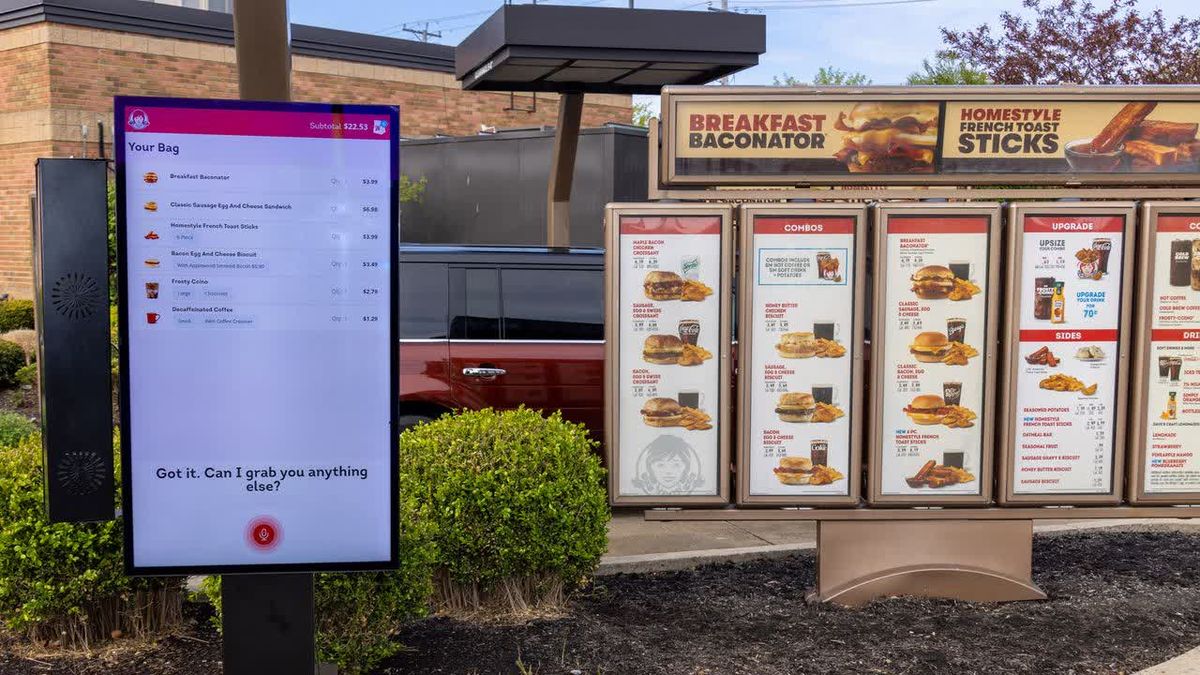
Harnessing AI for Predictive Customer Outreach
In the era of digital transformation, AI-driven predictive analytics stand at the forefront of revolutionizing customer engagement. By harnessing the power of machine learning and data analysis, businesses are now able to anticipate customer needs with unprecedented accuracy. This not only enhances the customer experience but also paves the way for strategic growth, particularly in the realm of SaaS services.
Predictive insights enable a shift from reactive to proactive engagement, transforming how businesses interact with their customers. The ability to forecast future behaviors and trends through advanced algorithms allows for the delivery of tailored offers and solutions, fostering a sense of individual attention and care that customers yearn for.
The implementation of AI in customer outreach is not without its challenges, however. It requires a delicate balance between technological innovation and the human element, ensuring that personal touch is not lost in the pursuit of efficiency. Here are some key considerations for businesses looking to leverage AI for predictive customer outreach:
- Understanding the unique preferences and behaviors of your customer base.
- Integrating AI with existing CRM systems for seamless data analysis.
- Training AI models with high-quality, relevant data to ensure accurate predictions.
- Continuously monitoring and refining AI algorithms to adapt to changing customer dynamics.
By addressing these considerations, businesses can effectively utilize AI to not only meet but exceed customer expectations, securing their loyalty and advocacy in the long run.
AI-Guided Decision Making for Strategic Engagement
In the realm of strategic engagement, AI-guided decision making stands as a beacon of innovation, driving businesses towards unprecedented levels of efficiency and customer satisfaction. By harnessing the power of predictive analytics, organizations can now anticipate customer needs with remarkable accuracy, ensuring that every interaction is both timely and relevant.
The integration of AI into strategic planning is not just about the technology; it's a commitment to continuous learning and adaptation, aligning with ethical standards and business objectives.
For instance, consider the impact of AI on inventory management—a traditionally complex challenge. Predictive models can forecast market trends with such precision that businesses are able to optimize their inventory levels, reducing waste and increasing availability of in-demand products. This strategic foresight is not only beneficial for the company's bottom line but also enhances the customer experience by ensuring product availability.
To truly capitalize on AI's potential, businesses must embrace a holistic approach:
- Strategic alignment with company values and goals
- Ethical considerations in data handling and AI application
- Commitment to continuous learning and adaptation
By doing so, companies can navigate the complexities of AI integration and emerge as leaders in customer engagement. Remember, the journey towards AI maturity is ongoing, and those who invest in these technologies today will be the architects of tomorrow's customer experience.
The Future of Personalized Customer Support with AI
The trajectory of customer support is unmistakably veering towards a future where AI is at the helm, steering interactions with precision and a deep understanding of individual preferences. AI's predictive capabilities will revolutionize how businesses anticipate and cater to customer needs, ensuring that every interaction is not just a transaction, but a step towards building a lasting relationship.
- AI-driven analytics will enable businesses to identify patterns and preferences.
- Virtual assistants will evolve to offer more nuanced and context-aware support.
- Customer journeys will be seamlessly integrated with AI to provide a frictionless experience.
The integration of AI into customer support systems promises a synergy that amplifies both efficiency and customer satisfaction. The personalization that AI brings to the table is not just about addressing the customer by name, but about understanding their history, preferences, and even predicting their future needs.
As we look to the future, the role of AI in customer support will only grow more integral. It's not just about the technology, but about how it's harnessed to create experiences that resonate on a personal level. To stay ahead, businesses must embrace these advancements and integrate AI solutions that can transform customer interactions from mundane to memorable. Discover how our AI solutions can elevate your customer support by trying our self-guided demos today.
Conclusion
The integration of AI agents like ChatGPT into web experiences marks a transformative era in customer engagement. As we have explored, these intelligent systems offer unprecedented capabilities in automating services, providing personalized interactions, and enhancing the overall customer journey. The academic discourse surrounding AI-driven customer support underscores its potential to revolutionize contact centers, streamline communication, and offer predictive insights for proactive engagement. While challenges and limitations exist, the continuous advancements in AI promise a future where customer experiences are not only more efficient but also more human-like. As businesses adopt these technologies, they must navigate the balance between innovation and customer satisfaction, ensuring that the AI revolution in customer experience is both beneficial and seamless.
Frequently Asked Questions
How does AI enhance real-time data analysis and personalization in customer experience?
AI analyzes vast amounts of customer data in real time, enabling businesses to deliver personalized experiences by understanding customer behavior, preferences, and sentiments.
What statistical evidence supports AI's impact on customer engagement?
Studies, such as those by Gartner and Salesforce, indicate that a significant majority of customer interactions will involve AI technologies, and that customers value the experience provided by companies as much as their products.
How is AI transforming government and banking services?
AI is revolutionizing these sectors with virtual agents, seamless live agent transitions, voice biometric authentication, AI-guided loan processing, and proactive customer outreach.
What role do AI agents play in the travel industry's customer service?
AI agents enhance booking experiences, provide seamless customer interaction, integrate with social media and CRM, and serve as virtual assistants for customer support.
What are some challenges in implementing AI for customer engagement?
Challenges include understanding AI's limitations, maintaining a balance between automation and human touch, and ensuring privacy and security in AI implementations.
What does the future of personalized customer support with AI look like?
The future points towards more sophisticated AI-powered virtual assistants and chatbots that offer human-like interactions and even more personalized, natural customer experiences.
Comments
Post a Comment