Unleashing AI Potential: How ChatGPT-Enhanced Web Applications Are Revolutionizing Customer Engagement

The advent of AI technologies like ChatGPT is transforming the landscape of customer engagement across various industries. This article explores the integration of ChatGPT into web applications and its impact on enhancing customer interactions, streamlining operations, and personalizing user experiences. We delve into the revolutionary role of ChatGPT in sectors such as retail and finance, examine its advanced capabilities and limitations, and discuss the broader societal and economic implications of this generative AI.
Key Takeaways
- ChatGPT integration into web applications is revolutionizing customer service by automating interactions and providing personalized experiences.
- The strategic deployment of ChatGPT in the financial sector is driving innovation and significantly improving customer engagement and operational efficiency.
- Understanding ChatGPT's capabilities and ethical considerations is crucial for leveraging its potential while responsibly navigating its limitations.
- Generative AI, including ChatGPT, is becoming an operational backbone in retail, offering data-driven insights and transforming decision-making processes.
- The deployment of ChatGPT and generative AI has far-reaching societal and economic implications, highlighting the need for equitable AI benefits distribution and workforce adaptation.
Integrating ChatGPT in Web Applications: Enhancing Customer Interactions

Automating Customer Service with ChatGPT
In the realm of customer service, the advent of generative AI has initiated a paradigm shift. ChatGPT stands at the forefront of this transformation, offering solutions that are not only efficient but also deeply personalized. By integrating ChatGPT into customer service systems, businesses are witnessing a renaissance in how they interact with their clientele.
The integration of ChatGPT into customer service workflows automates interactions, providing immediate, accurate, and tailored responses to customer inquiries. This level of automation extends beyond mere question-answering; it encompasses a comprehensive understanding of customer needs, leading to an enhanced service experience.
Here are some of the ways ChatGPT is redefining customer service:
- AI-driven CRM enhances customer insights, streamlines sales processes, and improves customer experiences.
- Customized product innovation through AI leads to efficient and personalized products.
- Chatbots equipped with ChatGPT can handle a high volume of queries without compromising on quality, ensuring customer satisfaction.
The potential applications of ChatGPT in customer service are vast and varied. From providing real-time assistance to processing transactions, the capabilities of AI are expanding the horizons of what is possible. As we continue to explore the depths of AI's potential, we invite you to join us on this journey. Embrace the change, and let's innovate together for a future where customer engagement is not just a transaction, but a meaningful connection.
Personalized User Experiences Through AI
In the realm of web development, the integration of AI is not just a trend; it's a transformative movement. AI-driven analytics revolutionize customer experience by offering hyper-personalization, operational efficiency, and strategic growth. AI Agents in Web Development are at the forefront, enabling Web App AI Enhancements that cater to individual preferences and behaviors. Implementing AI Agents in Websites allows for a level of customization previously unattainable, ensuring that every user feels uniquely understood and valued.
The use of AI-Powered Web Applications extends beyond mere functionality; it's about creating a connection. AI User Interaction Web Apps employ Intelligent Agents in Web Design to engage users in meaningful ways. For instance, AI Chatbots for Web Apps are not just answering queries; they are learning from interactions to provide increasingly personalized experiences. This is not just about technology; it's about fostering a relationship between the user and the platform.
AI-driven analytics revolutionize customer experience by offering hyper-personalization, operational efficiency, and strategic growth. Implement AI tools for personalized interactions and data-driven decisions to enhance customer journeys.
Building AI-Enabled Web Platforms is a strategic endeavor that requires a deep understanding of AI Web App User Experience. The process involves AI Web App Customization, ensuring that each feature resonates with the user's needs. AI Interaction Design for Web is about more than aesthetics; it's about creating an intuitive and responsive environment that anticipates and adapts to user behavior. By Enhancing Web Apps with AI Tech, developers are not just building platforms; they are crafting experiences.
To truly unleash the potential of AI in web applications, consider the following steps:
- Integrate AI in Web Apps to automate and personalize user interactions.
- Leverage AI-Driven Web App Features for real-time data analysis and decision-making.
- Focus on AI Web App Automation to streamline processes and enhance user engagement.
- Prioritize Conversational AI in Web Services to foster a seamless communication channel.
Embrace the future of web applications by Building AI-Enabled Web Platforms that resonate with your users. The time to act is now—transform your customer engagement with Custom AI Web Applications.
ChatGPT's Role in Streamlining Retail Operations
In the bustling world of retail, ChatGPT is the silent powerhouse driving efficiency from the shadows. By automating data collection and analysis, this AI marvel is not just a tool but a transformative force, reshaping the retail landscape. Retailers harnessing ChatGPT's capabilities are witnessing a revolution in their operations, with streamlined processes that lead to sharper insights and a more dynamic ecosystem.
Consider the practical applications: ChatGPT-powered chatbots are not mere customer service agents; they are sophisticated systems capable of guiding customers through product discovery, addressing inquiries, and even managing orders. This level of automation ensures that customer interactions are not only swift but also deeply satisfying, fostering loyalty and driving revenue growth through hyper-personalized experiences.
The integration of ChatGPT in retail operations is a testament to the power of AI-driven analytics to revolutionize customer engagement, enhancing personalization, speed, and consistency.
Moreover, ChatGPT extends its utility to the realm of human resources, streamlining talent acquisition by efficiently parsing through resumes and job descriptions. This not only saves time but also elevates the quality of recruitment, ensuring that the right candidates are matched with the right roles.
Retailers, it's time to embrace the AI revolution. The benefits are clear: cost efficiency, increased ROI, and a customer service experience that sets you apart. Are you ready to transform your operations and engage customers like never before? Dive into the world of AI with ChatGPT and watch your business thrive.
The Financial Sector's AI Revolution: ChatGPT at the Forefront
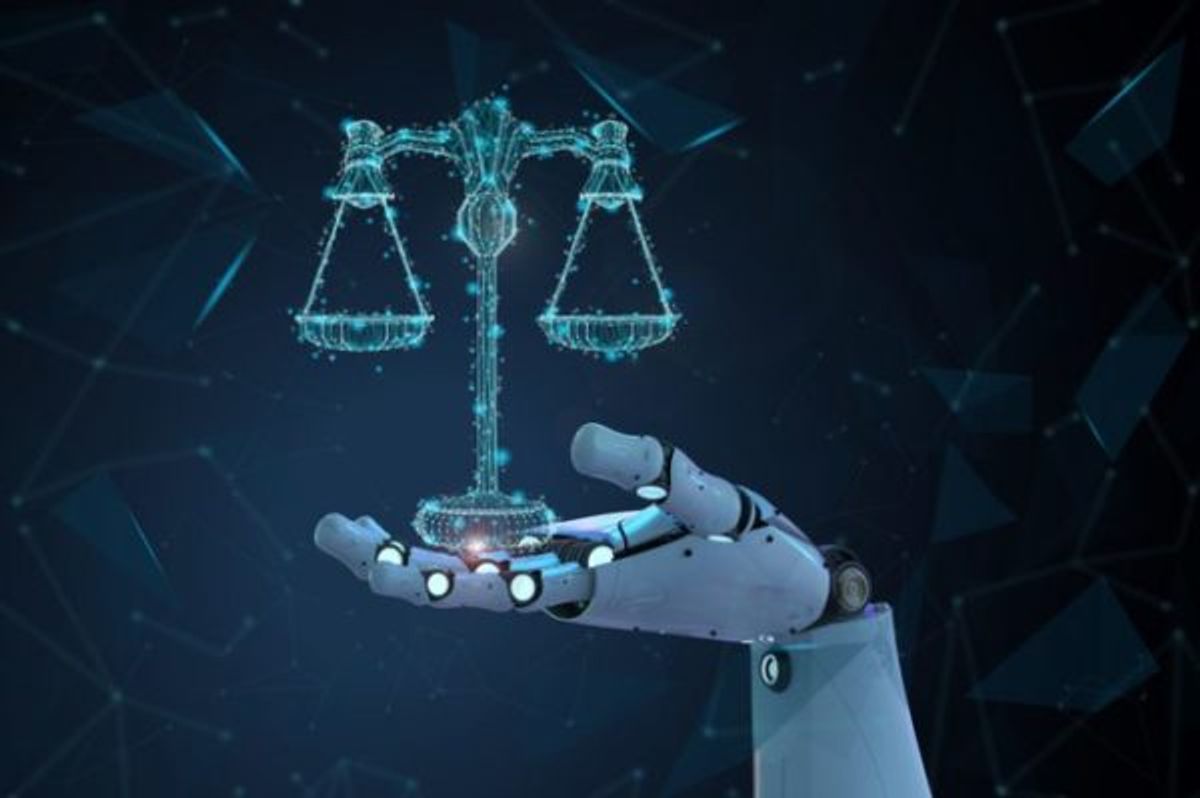
Operational Efficiency and Innovation Through AI
In the relentless pursuit of excellence, AI is the catalyst for operational metamorphosis, transforming the landscape of industries by enabling unprecedented levels of efficiency and innovation. By harnessing the power of AI, businesses are not only automating mundane tasks but are also unlocking new avenues for creativity and strategic thinking.
The integration of AI into operational frameworks is not just an upgrade; it's a complete redefinition of what's possible, paving the way for a future where human ingenuity and machine precision coalesce to drive progress.
The benefits of AI in operational efficiency are manifold, including:
- Accelerated data analysis and decision-making processes
- Enhanced precision in forecasting and logistical planning
- Streamlined product development cycles
- Reduction in operational costs through intelligent automation
In the financial sector, the strategic deployment of ChatGPT and other AI technologies is not just a trend—it's a revolution. Financial institutions that embrace AI are witnessing a transformation in customer engagement, risk management, and compliance procedures. The table below succinctly captures the impact of AI on key operational metrics:
| Metric | Before AI | After AI |
|---|---|---|
| Customer Response Time | 24+ hours | Minutes |
| Fraud Detection Accuracy | 75% | 95%+ |
| Compliance Reporting Time | Weeks | Days |
As we stand on the brink of an AI-augmented era, it's imperative for businesses to adapt and innovate. Those who fail to recognize the potential of AI risk being left behind in a world that's rapidly advancing. Embrace the change, and let AI redefine the boundaries of your business's capabilities. The future is here, and it's powered by AI. Are you ready to be a part of it?
ChatGPT's Impact on Customer Engagement in Finance
In the realm of finance, ChatGPT is not just a technological advancement; it's a customer engagement revolutionizer. By harnessing the power of AI, financial institutions are now able to offer a level of personalized service that was once unimaginable. ChatGPT's ability to understand and process natural language has opened the door to tailored financial advice, where every interaction is an opportunity to deepen client relationships and trust.
Embracing AI and ChatGPT in finance not only enhances operational efficiency but also opens up new avenues for innovation and customer engagement. As the sector continues to evolve, those who leverage these technologies will undoubtedly lead the charge towards a more efficient, accurate, and personalized financial world.
The transformative impact of ChatGPT in finance can be seen in several key areas:
- Risk Assessment Models: Leveraging AI to evaluate loan applicants' creditworthiness, considering financial history, market trends, and broader data sets.
- Automated Customer Support: Implementing ChatGPT-driven chatbots that deliver instant, round-the-clock customer service, addressing inquiries and providing financial guidance.
Transform Your Financial Strategies with AI: Exclusive Preview Available Now! Don't miss the opportunity to stay ahead in the competitive finance sector. Elevate your skills and career with the cutting-edge capabilities of AI. Visit our website for the complete AI Training for Finance package and get a sneak preview of the invaluable insights and tools that await.
Strategic Deployment of ChatGPT Across Financial Platforms
The strategic deployment of ChatGPT across financial platforms is not just a trend; it's a transformative movement reshaping the financial landscape. Financial institutions are harnessing the power of ChatGPT to deliver sophisticated services that were once the domain of human experts alone. From risk assessment to personalized financial advice, ChatGPT's integration is a game-changer.
- Risk Management: ChatGPT can analyze vast amounts of data to identify potential risks and suggest mitigation strategies.
- Customer Service: AI-driven chatbots provide 24/7 support, handling inquiries and transactions with ease.
- Personalized Banking: ChatGPT offers tailored financial advice, learning from customer interactions to enhance service.
The key to successful AI deployment lies in the seamless integration with existing systems, ensuring that the technology complements rather than replaces the human touch.
As we delve deeper into the capabilities of ChatGPT, it becomes clear that the financial sector stands on the brink of an AI revolution. The question is no longer about if but how quickly financial platforms can adapt to this new era. Stas Sorokin, a full-stack senior lead developer, offers expert API integration and custom API development services, ensuring that this transition is not only smooth but also innovative. Embrace the change, and let's explore the boundless possibilities together.
ChatGPT: A Deep Dive into Capabilities, Limitations, and Significance

Understanding ChatGPT's Advanced Language Models
At the heart of ChatGPT lies an intricate web of algorithms and data, a testament to the prowess of modern AI. ChatGPT's ability to understand and generate human-like text is not just a technological marvel; it's a bridge connecting human curiosity with machine intelligence. This advanced language model, developed by OpenAI, is a beacon of progress in the field of natural language processing (NLP).
ChatGPT's training involves exposure to vast amounts of text data, enabling it to recognize patterns and generate responses that are not only coherent but contextually relevant. The model's evolution from its predecessors in the GPT series is marked by significant enhancements in understanding complex sentence structures and inferring context, making it an indispensable tool for various applications.
The sophistication of ChatGPT's language models is a leap forward in AI, promising to transform how we interact with technology.
The following list highlights the key features that set ChatGPT apart in the realm of AI:
- Advanced natural language understanding
- Contextual awareness and response generation
- Training on diverse internet text sources
- Continuous development, with GPT-4 on the horizon
As we delve deeper into the capabilities of ChatGPT, it's crucial to recognize the individuals and teams behind its development. Stas Sorokin, for example, brings extensive experience and a commitment to premium customer support and client satisfaction. His work in developing AI-powered web applications using GPT-4 technology ensures around-the-clock availability and originality, setting a new standard in the industry.
Ethical Considerations in the Deployment of ChatGPT
The integration of ChatGPT into our digital lives is not without its ethical quandaries. Bias and discrimination in AI systems, such as ChatGPT, can mirror the prejudices found in their training data, leading to unequal treatment across different user groups. It is imperative to refine these models to ensure fairness and prevent any form of digital discrimination.
The deployment of ChatGPT must be accompanied by robust ethical frameworks and transparency to foster trust and accountability.
Misinformation and manipulation are also pressing concerns. The ease with which ChatGPT can generate content makes it a potential tool for spreading falsehoods, requiring stringent measures to verify information accuracy. Moreover, the environmental impact of AI technologies, due to their substantial energy consumption, calls for sustainable practices in AI development.
To address these issues, consider the following steps:
- Implementing rigorous testing to detect and mitigate biases in AI models.
- Establishing clear guidelines for the responsible use of AI-generated content.
- Promoting transparency in AI operations to build user trust.
- Investing in research for energy-efficient AI technologies.
As we navigate the complexities of AI ethics, it is crucial to engage in a dialogue about the responsible use of such transformative technology. We invite you to join the conversation and contribute to shaping an AI-powered future that aligns with our collective values.
The Future Trajectory of ChatGPT's Development
As we stand on the cusp of AI innovation, the trajectory of ChatGPT's development is a beacon for future advancements. The evolution from GPT-3 to ChatGPT has set the stage for unprecedented growth in AI capabilities. OpenAI's commitment to enhancing these models promises a future where conversational AI will become even more indistinguishable from human interaction.
The development of ChatGPT was a collaborative effort, harnessing a vast dataset to learn human-like conversation patterns. This foundation is pivotal for the next leap forward.
Looking ahead, the roadmap for ChatGPT includes improvements in context understanding and retention, addressing current limitations. The anticipation for GPT-4 underscores the relentless pursuit of more sophisticated AI language models. Here's what we might expect:
- Enhanced contextual awareness
- Greater coherence over longer conversations
- Advanced understanding of nuanced human communication
These developments are not just technical milestones; they are transformative forces that will redefine how we interact with technology. As Stas Sorokin's AI projects and lectures receive high praise, we are reminded of the practicality and tailored approach necessary for AI to truly enhance our lives. The journey of ChatGPT is far from over, and its potential to revolutionize industries and personal experiences is immense.
Embrace the AI revolution by staying informed and prepared. Engage with the latest AI advancements and consider how they can be strategically deployed in your field. The future is being written now, and your role in it is only limited by your engagement with these transformative technologies.
Generative AI in Retail: The Operational Backbone
Behind-the-Scenes AI: Data Collection and Analysis
In the digital age, data is the new oil, fueling the growth engine of retail businesses. Generative AI has become the sophisticated drill, extracting valuable insights from the data bedrock. The transformative power of AI analytics is not just a buzzword; it's a reality that drives operational successes across various sectors, including retail, manufacturing, and financial services.
Automation, predictive algorithms, and data-driven decisions are not mere components of a futuristic vision—they are the current state of play, optimizing processes and improving efficiency.
The sentiment analysis capability of generative AI, for instance, is a remarkable tool for understanding customer emotions and preferences. By analyzing social media data, businesses can gauge customer sentiment towards their brand, refining marketing strategies and enhancing customer satisfaction. This is just one example of how AI analytics can be strategically deployed to create a competitive edge.
Here's a glimpse into the services offered by AI-driven companies:
- Clevis: Crafting AI-powered applications with ease.
- Simple Analytics AI: Providing instant insights and trend comparisons.
- Julius AI: Enabling data analysis, visualization, and model training.
- Qlip AI: Generating mesmerizing video highlights for social media.
- Decktopus AI: Assisting in crafting captivating presentations.
The integration of AI in data collection and analysis is not just about harnessing technology; it's about reimagining the potential of your business. Embrace the AI revolution and unlock new growth opportunities. Are you ready to transform your data into your most valuable asset?
Empowering Decision-Makers with Real-Time Insights
In the fast-paced world of retail, the ability to swiftly pivot strategies and operations is not just an advantage, it's a necessity. Real-time insights empower decision-makers to act with confidence, backed by data that is both current and relevant. Salesforce Einstein GPT exemplifies this by providing predictive modeling and scenario analysis, enabling businesses to not only react to present conditions but also to anticipate future trends.
The integration of AI into decision-making processes transforms gut feelings into strategic actions. It's the difference between guessing and knowing, between reacting and planning.
Consider the following table, which illustrates the impact of real-time insights on operational efficiency:
| Metric | Before AI Integration | After AI Integration |
|---|---|---|
| Decision Speed | Slow | Rapid |
| Risk Management | Reactive | Proactive |
| Market Adaptability | Low | High |
By harnessing the predictive power of AI, finance professionals can reduce risks and seize opportunities with unprecedented precision. Deligia's testimony underscores the transformative effect of AI: interactive dashboards and intuitive charts that translate complex data into actionable intelligence for non-IT personnel.
The call to action is clear: Embrace the AI revolution in your retail operations. Let the data guide you to smarter, more effective decisions. The future of retail is not just about surviving; it's about thriving with the aid of AI-driven insights. Are you ready to take the leap?
The Retail Ecosystem's Transformation Through AI
In the dynamic arena of retail, AI is not just an innovation—it's the cornerstone of a new epoch. The transformation is palpable, as AI reshapes every facet of the retail experience, from inventory management to personalized shopping journeys. Retailers who harness the power of AI are not just surviving; they are thriving, setting new benchmarks for customer satisfaction and operational excellence.
The retail revolution is here, and AI is its vanguard. Embrace the future, for it is already woven into the very fabric of the industry.
The integration of AI into retail goes beyond the surface, impacting core operations and customer interactions. Consider the following transformative aspects:
- Customer Experience: AI analyzes shopping patterns to offer personalized recommendations, turning browsing into a bespoke experience.
- Inventory Management: Predictive analytics ensure optimal stock levels, reducing waste and missed sales opportunities.
- Labor Optimization: AI-driven scheduling aligns staff presence with customer traffic, enhancing service while controlling costs.
The evidence is clear: retailers who adopt AI are setting the stage for a future where technology and human insight combine to create unparalleled shopping experiences. As we stand on the brink of this retail renaissance, the question is not if, but how quickly we can adapt to the inevitable AI integration.
Call to Action: Retailers, it's time to seize the AI advantage. Explore the possibilities, invest in the technology, and watch as your business transforms. The future of retail is here—will you be a part of it?
Societal and Economic Implications of ChatGPT and Generative AI

Workforce Dynamics and Job Market Evolution
The advent of AI like ChatGPT is not just a technological leap; it represents a seismic shift in workforce dynamics and the job market. The integration of AI is redefining roles, automating routine tasks, and creating new opportunities for human-AI collaboration. As we stand on the brink of this transformation, it's crucial to understand both the potential and the challenges it presents.
- Automation is streamlining processes, but also raising concerns about job displacement.
- Upskilling has become imperative for employees to stay relevant in an AI-augmented job market.
- New job categories are emerging, focusing on AI management, oversight, and ethical considerations.
The key to harnessing AI's potential in the workforce lies in strategic adaptation and continuous learning.
The Bles Software website explores AI, technology, and software solutions for scalable growth in businesses from startup to enterprise. Articles by Stanislav Sorokin highlight key strategies and innovations in AI integration. As we navigate this new era, it's essential for businesses and individuals alike to stay informed and agile. Embrace the change, and you may find yourself at the forefront of a revolutionized job market.
Addressing Socioeconomic Inequalities with AI
The advent of AI technologies like ChatGPT heralds a new era in addressing socioeconomic inequalities. By democratizing access to information and automating routine tasks, AI has the potential to level the playing field for underserved communities. However, the ethical deployment of AI is paramount to ensure that these technologies do not exacerbate existing disparities.
The integration of AI into business and society must be guided by principles of transparency, accountability, fairness, and privacy. This ethical framework is not just a moral imperative but a strategic advantage that can enhance social impact and competitiveness.
AI's predictive analytics capabilities are particularly transformative for SaaS businesses, revolutionizing how data is analyzed and leveraged for decision-making. Yet, the benefits of such advancements must be accessible to all segments of society to truly address socioeconomic inequalities. The table below outlines key areas where AI can make a significant impact:
| Area of Impact | Potential Benefits |
|---|---|
| Education | Personalized learning experiences |
| Healthcare | Improved diagnostic tools |
| Employment | Skill-based job matching |
As we continue to harness the power of AI, it is crucial to remain vigilant about the ethical considerations and potential risks associated with its deployment. Bias and discrimination, if left unchecked, can undermine the very goal of fostering equality. Therefore, a concerted effort is required to minimize bias and ensure fairness in AI systems.
In conclusion, the strategic and responsible embedding of AI in our societal fabric holds the promise of a more equitable future. Let us embrace this technology with the foresight and diligence it demands, ensuring that its benefits are shared by all. Join the conversation and contribute to the ethical AI movement—your voice matters in shaping a just and inclusive digital landscape.
Anticipating the Long-Term Impact of AI on Society
As we stand on the brink of a technological renaissance, the long-term societal impact of AI, including generative models like ChatGPT, is a subject of pivotal importance. The trajectory of AI's influence is poised to redefine the fabric of society, from the way we work to the way we solve complex global challenges.
- The potential for AI to drive economic growth is immense, yet it raises questions about job displacement and the future of work.
- AI's role in addressing socioeconomic inequalities could be transformative, provided its deployment is guided by ethical frameworks.
- The integration of AI in education could democratize learning, but it also necessitates a reevaluation of educational systems.
The promise of AI extends beyond mere technological advancement; it embodies a vision for a more efficient, equitable, and interconnected world.
As we anticipate the impact of AI, it is crucial to engage in a dialogue that encompasses not only the technological and economic dimensions but also the profound social changes it heralds. The conversation must be inclusive, involving policymakers, technologists, and citizens alike, to navigate the complexities of this AI-infused future. Let us embrace this opportunity to shape a society that leverages AI for the greater good, ensuring that the benefits are shared by all. To delve deeper into the transformative power of AI and its societal implications, we invite you to join the discourse and contribute your insights.
Conclusion
The integration of ChatGPT into web applications marks a significant milestone in the evolution of customer engagement strategies. As we have explored, these AI-enhanced platforms are not only revolutionizing the way businesses interact with customers but are also redefining the operational landscape across various industries. From automating mundane tasks to providing personalized experiences, ChatGPT's capabilities are enabling a new era of efficiency and innovation. However, it is crucial to navigate the ethical considerations and potential socioeconomic impacts as we advance. Embracing these technologies responsibly will be key to unlocking their full potential while ensuring they serve the greater good of society. As the digital horizon continues to expand, the strategic deployment of ChatGPT and similar AI tools will undoubtedly shape the future of customer service, operational management, and business success.
Frequently Asked Questions
What is ChatGPT and how does it enhance web applications?
ChatGPT is an AI-powered language model developed by OpenAI that generates human-like text responses. It enhances web applications by automating customer service, providing personalized experiences, and streamlining operations through advanced natural language understanding and contextual awareness.
How is ChatGPT transforming the financial sector?
ChatGPT is revolutionizing the financial sector by improving operational efficiency, fostering innovation, and enhancing customer engagement. Its strategic deployment across financial platforms allows for more accurate and personalized services, leading to a competitive edge in the evolving financial world.
What are the capabilities and limitations of ChatGPT?
ChatGPT's capabilities include engaging in coherent conversations, offering insights, and understanding context. Its limitations may involve handling ambiguous queries and ethical concerns. Ongoing developments aim to improve context retention and address these challenges.
In what ways does generative AI contribute to the retail industry?
Generative AI, including ChatGPT, contributes to the retail industry by automating data collection and analysis, providing real-time insights to decision-makers, and transforming the retail ecosystem. This leads to streamlined operations, better customer service, and optimized supply chains.
What societal and economic implications does ChatGPT have?
ChatGPT and AI advancements can influence job markets, potentially displacing workers while also creating new opportunities. Addressing socioeconomic inequalities and ensuring the equitable distribution of AI benefits are crucial to mitigate negative implications and maximize positive impacts.
What are some potential applications of ChatGPT?
Potential applications of ChatGPT include developing intelligent chatbots for customer support, language translation services, content creation, supply chain optimization, and predictive customer engagement models, all aimed at enhancing operational efficiency and user experiences.
Comments
Post a Comment