Unleashing AI Potential: How Integrating ChatGPT with Web Apps Revolutionizes Customer Engagement

The integration of ChatGPT into web applications is a transformative approach that is reshaping customer engagement. By leveraging the conversational AI capabilities of ChatGPT, businesses can enhance user interactions, automate services, and offer highly personalized experiences. This article delves into the nuances of integrating ChatGPT into digital platforms, examining the theoretical underpinnings, practical strategies, and the resulting impact on business outcomes. It also explores the future directions of ChatGPT advancements and the ethical considerations that come with AI integration in customer interactions.
Key Takeaways
- ChatGPT's integration into web apps improves conversational AI, offering personalized and contextually aware interactions.
- Various integration methods such as APIs, SDKs, and custom solutions are available, each catering to different platform needs.
- Incorporating ChatGPT can revolutionize customer support, enhance user experiences, and expand global engagement through multilingual capabilities.
- Businesses can expect improved conversion rates, valuable analytics, and a competitive edge through strategic AI adoption.
- Future developments like ChatGPT-5 and the management of ethical and regulatory aspects will further shape AI's role in customer engagement.
Theoretical Foundations of ChatGPT Integration

Understanding Conversational AI
At the heart of Conversational AI in Web Services lies the ability to mimic human-like interactions, transforming the way businesses engage with their customers online. These sophisticated systems are not just programmed responses but are designed to understand, learn, and converse in a manner that is indistinguishable from human operators.
- Generative AI-driven chatbots are at the forefront, offering personalized and efficient customer service.
- By leveraging Natural Language Processing (NLP), these chatbots can comprehend and generate responses that feel natural and contextually relevant.
- The integration of Conversational AI into web services ensures a seamless user experience, providing support and engagement at any time of the day.
Embrace the future of customer engagement with Conversational AI, where every interaction is tailored to meet user expectations and enhance satisfaction.
As we delve deeper into the capabilities of Conversational AI, it's essential to recognize the individuals who contribute to its advancement. Stas Sorokin, an AI expert, is one such individual whose exceptional lectures and projects are tailored to individual needs, exceeding expectations and providing valuable knowledge and skills in AI.
Natural Language Processing in Web Applications
The integration of Natural Language Processing (NLP) within web applications is a transformative leap forward, enabling machines to interpret, analyze, and respond to human language in a manner that is both intuitive and efficient. AI Agent Integration in Web Services is not just a buzzword; it's the cornerstone of creating a seamless user experience. By leveraging NLP, web services can comprehend user queries and statements, ensuring a conversational flow that feels natural and human-like.
The capabilities of NLP are vast, ranging from understanding complex commands to providing contextually relevant responses. Here's a glimpse into the power of NLP in action:
- Understanding User Intent: Deciphering the purpose behind a user's input.
- Contextual Relevance: Maintaining the thread of conversation for coherent interaction.
- Language Versatility: Adapting to various linguistic nuances and expressions.
The true essence of NLP lies in its ability to bridge the gap between human communication and digital response, crafting an environment where users feel heard and understood.
As we delve deeper into the realm of AI and NLP, it's crucial to recognize the potential that these technologies hold for enhancing customer engagement. The sophistication of conversational AI is not just a tool; it's a gateway to building stronger, more meaningful connections with your audience. Embrace the future of web applications by integrating ChatGPT, and watch as your customer satisfaction and engagement metrics soar. Are you ready to revolutionize your digital platform? The time is now to harness the power of AI and NLP.
Contextual Awareness and User Experience
In the realm of web applications, contextual awareness is the cornerstone of a transformative user experience. By leveraging the power of ChatGPT, businesses can craft interactions that are not only responsive but also predictive, adapting to user needs in real-time. Imagine a digital platform that not only understands your queries but anticipates your next steps, guiding you through a seamless journey.
- Personalization: Tailoring experiences to individual user preferences.
- Localization: Providing content relevant to user's location and language.
- Adaptation: Adjusting to user behavior and feedback dynamically.
The integration of ChatGPT into web applications signifies a leap towards more intuitive and engaging digital environments. It's about creating a space where technology feels less like a tool and more like a partner in the user's digital adventure.
By infusing ChatGPT into web apps, we are not just enhancing user interfaces; we are redefining the very essence of customer engagement. This strategic move is not merely an upgrade—it's a revolution in how businesses interact with their consumers, fostering a level of loyalty and satisfaction that was previously unattainable. The AI-driven analytics revolutionize customer engagement, offering unprecedented insights into consumer behavior and preferences. This is not just about staying ahead of the curve; it's about being the curve.
Strategies for Embedding ChatGPT in Digital Platforms

API and WebSocket Implementation
In the realm of digital transformation, the integration of ChatGPT into web applications via APIs and WebSockets is not just a technical upgrade, it's a gateway to unparalleled customer engagement. The RESTful API approach, with its stateless operations, allows for straightforward requests and responses, making it a robust choice for many web applications. On the other hand, WebSocket API integration shines with its ability to facilitate real-time, bidirectional communication, essential for creating dynamic, chat-style interfaces that mimic human conversation.
To effectively harness the power of ChatGPT within your web app, consider the following steps:
- Verify access to the ChatGPT API.
- Choose your integration method: RESTful API or WebSocket API.
- Initialize the ChatGPT client accordingly.
- Install necessary libraries and manage server-side configurations.
Embrace the sophistication of WebSocket integration for a seamless, interactive user experience, or opt for the reliability of RESTful APIs to maintain a solid, user-friendly service.
Remember, the choice between RESTful and WebSocket integration will significantly influence the responsiveness and fluidity of user interactions. As you embark on this journey, Stas4000 stands ready to assist, offering AI development services that cater to your unique needs, ensuring your web app not only converses but connects with your audience.
Software Development Kits (SDKs) and Custom Solutions
In the quest to unlock business potential, the use of Software Development Kits (SDKs) and custom solutions stands as a cornerstone for integrating ChatGPT into digital platforms. SDKs, often provided for popular programming environments, enable a streamlined fusion of ChatGPT's capabilities with web and mobile applications. For instance, JavaScript SDKs facilitate effortless integration into web app interfaces, harnessing the power of frameworks and libraries to create a seamless user experience.
Custom solutions, on the other hand, offer a tailored approach. By integrating ChatGPT into backend systems through HTTP requests, developers gain granular control over the AI's functionalities. This bespoke integration caters to unique business needs, paving the way for personalized recommendations and operational excellence.
Embrace the transformative power of ChatGPT in your digital ecosystem. Harness these tools to deliver unparalleled customer loyalty and engagement.
Remember, incorporating ChatGPT is not just about the technology; it's about crafting experiences that resonate with users. Whether through native SDKs for iOS and Android or custom backend solutions, the goal remains the same: to provide a responsive and integrated user experience. As you embark on this journey, consider the following steps:
- Install necessary libraries or packages specific to your chosen integration method.
- Leverage platform-specific SDKs for optimal performance on mobile devices.
- Regularly update and maintain your integration to adapt to new ChatGPT versions and features.
By meticulously integrating ChatGPT, businesses across sectors—from manufacturing to retail to social media—can reap the rewards of AI-powered analytics and customer engagement. Dive into this technological revolution and watch your business thrive.
Ensuring Real-Time Interaction and Scalability
In the dynamic landscape of web applications, ensuring real-time interaction and scalability is paramount. ChatGPT's integration into digital platforms must be agile enough to handle the ebb and flow of user demands. WebSocket API integration is a cornerstone for real-time communication, fostering interactive dialogues that are as responsive as they are engaging.
The key to a seamless user experience lies in the ability to process and display ChatGPT responses without delay, maintaining the natural flow of conversation.
Customization and fine-tuning of ChatGPT allow for a tailored experience, ensuring that the AI's responses are not only immediate but also contextually relevant. This is achieved through datasets and reinforcement learning from human feedback, which hone the AI's ability to converse effectively.
Backend integration, whether through HTTP requests or leveraging MBaaS, is essential for managing the complex interactions between users, the web app, and ChatGPT. It's a delicate balance of maintaining real-time responsiveness while scaling to accommodate growing user bases. Here's a succinct list of steps to achieve this balance:
- Integrate WebSocket for real-time communication.
- Analyze and display ChatGPT responses promptly.
- Customize AI behavior with targeted datasets.
- Manage backend interactions efficiently.
By mastering these strategies, businesses can unlock the full potential of AI, transforming customer engagement into an art form. Embrace the future by integrating ChatGPT into your digital platform today and watch as your customer satisfaction soars to new heights.
Enhancing Customer Interaction with ChatGPT
Revolutionizing Customer Support
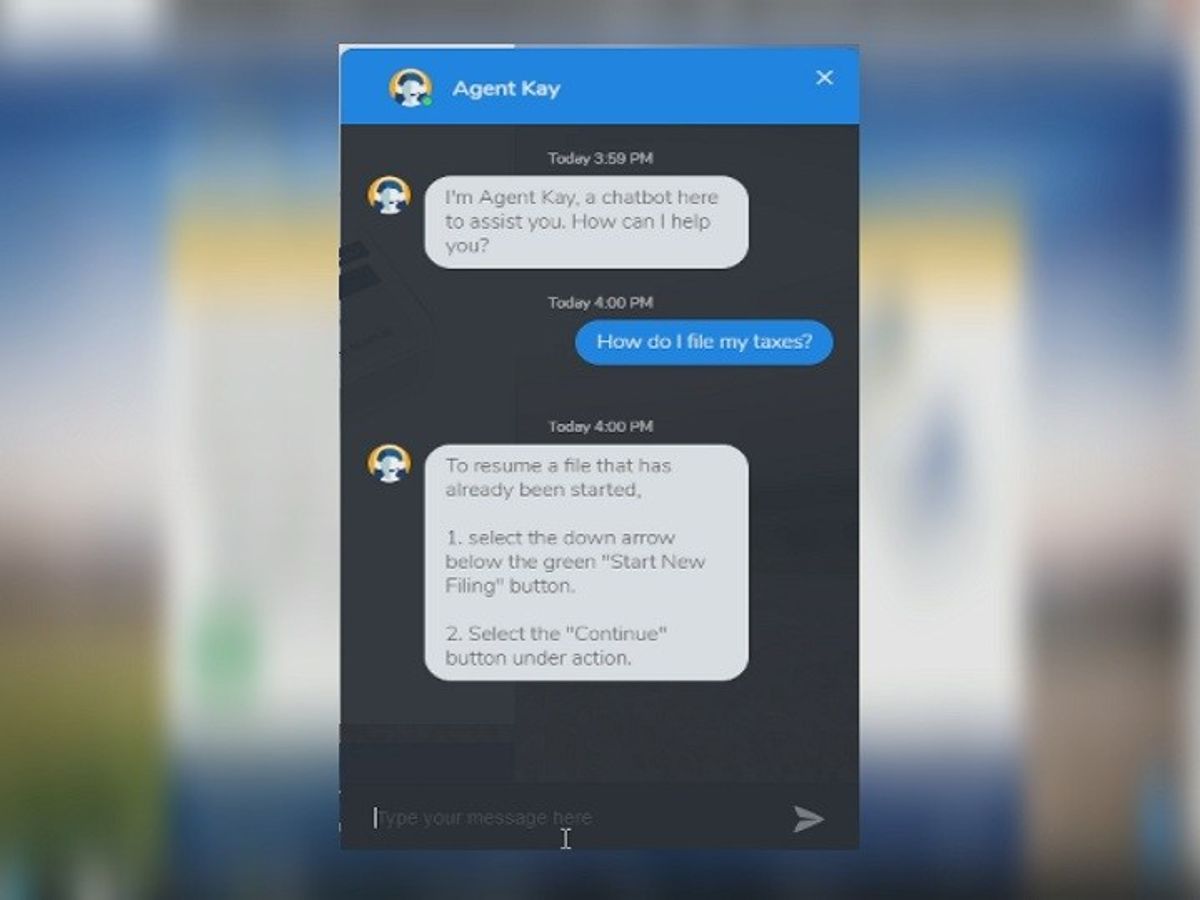
In the realm of customer service, the integration of ChatGPT heralds a new era of efficiency and personalization. Businesses are rapidly adopting AI-driven solutions, recognizing their potential to transform customer interactions. ChatGPT, with its advanced conversational capabilities, is at the forefront of this revolution, offering support that is not only immediate but also highly relevant to each customer's needs.
- Immediate Response: ChatGPT provides instant support, reducing wait times and increasing customer satisfaction.
- 24/7 Availability: Unlike human agents, ChatGPT is always on, ready to assist customers at any hour.
- Consistency: ChatGPT ensures a uniform quality of service, maintaining brand standards.
- Scalability: Effortlessly handles spikes in support requests without the need for additional human resources.
The transformative impact of ChatGPT on customer support cannot be overstated. It represents a pivotal advancement in enhancing customer experiences, augmenting brand loyalty, and driving business growth.
As we witness the AI revolution reshaping the customer service landscape, it's crucial for businesses to stay ahead of the curve. The adoption of AI-driven sales calls and chatbots is not just a trend; it's a strategic move to remain competitive in a rapidly evolving market. To truly unleash the potential of AI in customer engagement, businesses must embrace these technologies, ensuring they are integrated seamlessly into their digital platforms. Are you ready to revolutionize your customer support with ChatGPT? The time to act is now.
Personalized User Experiences
In the realm of AI User Interaction Web Apps, personalization is not just a feature; it's a fundamental expectation. AI Chatbots for Web Apps are now sophisticated enough to offer a level of AI Web App Customization that was once the domain of science fiction. By analyzing user data and behavior, these intelligent agents can tailor experiences in real-time, ensuring that every interaction feels uniquely personal.
The transformative power of AI Interaction Design for Web lies in its ability to understand and adapt to the individual user. AI Web App User Experience is enhanced when users feel that the system recognizes their preferences and anticipates their needs. Intelligent Agents in Web Design have become the silent partners in creating a seamless, intuitive, and highly personalized online journey.
AI Assistants for Web Platforms are not just tools; they are brand ambassadors that represent a pivotal advancement in enhancing customer experiences, augmenting brand loyalty, and driving business growth. The table below illustrates how AI-driven personalization can impact various aspects of user engagement:
| Aspect of Engagement | Impact of AI Personalization |
|---|---|
| Content Relevance | Highly targeted and relevant |
| User Satisfaction | Increased due to customization |
| Brand Loyalty | Strengthened by tailored experiences |
| Conversion Rates | Improved through relevant recommendations |
Embrace the future where your web app not only knows your users but grows with them. AI-driven personalization is the key to unlocking deep, meaningful connections that turn casual visitors into loyal customers.
The Bles Software website offers insights on leveraging AI for scalable growth in businesses from startup to enterprise, embracing growth with AI, and key strategies for seamless expansion using AI. Visit us to discover how to integrate these transformative technologies into your digital strategy and ensure that your web app stands out in a crowded digital landscape.
Multilingual Engagement and Global Reach
In the digital age, the ability to communicate across linguistic barriers is not just a convenience—it's a necessity. ChatGPT's multilingual capabilities shatter these barriers, offering seamless interaction in a multitude of languages. This inclusivity fosters a global community where language is no longer a hurdle but a bridge to better customer engagement.
The essence of customer satisfaction lies in understanding and being understood. ChatGPT's prowess in multiple languages ensures that every user feels heard and catered to, irrespective of their native tongue.
By integrating ChatGPT into your web applications, you open the doors to a wider audience. Here's how it revolutionizes the game:
- Personalization: Tailoring conversations in the user's preferred language.
- Accessibility: Making your services approachable to non-English speakers.
- Inclusivity: Embracing cultural diversity and promoting equal opportunities for engagement.
The impact of this integration is profound, as it not only enhances user experience but also amplifies your market reach. Imagine the possibilities when customers from different corners of the world can interact with your brand without the friction of language barriers. It's time to elevate your user engagement—integrate ChatGPT now for dynamic, multilingual conversations that resonate with a global audience.
Evaluating the Impact of ChatGPT on Business Outcomes

Improving Conversion Rates and Sales
In the digital marketplace, conversion rates and sales are the lifeblood of any business. ChatGPT's integration into web applications is not just a technological upgrade; it's a strategic move that can significantly boost these vital metrics. By leveraging AI-driven analytics, businesses are witnessing a revolution that accelerates growth and enhances decision-making through adaptive learning and continuous improvement.
The ability to predict customer behavior and personalize interactions has never been more accessible. ChatGPT's advanced algorithms can analyze vast amounts of data to identify patterns and preferences, enabling businesses to tailor their approach and connect with customers on a deeper level.
Here's how ChatGPT can transform your business outcomes:
- Upsell & Cross-Sell: Predict customer interests to guide offers and increase basket size.
- Demand Forecasting: Streamline operations and satisfy customers by delivering products efficiently.
- Lead Scoring: Utilize predictive analytics to identify high-converting leads and optimize revenue strategies.
- Customer Churn: Proactively retain customers and reduce turnover.
By integrating ChatGPT, companies are not just staying ahead of the curve—they are reshaping it. Embrace the change, harness the power of conversational AI, and watch your business soar. Are you ready to revolutionize your customer engagement and drive unprecedented growth? The time is now.
Analytics and Insights from AI Interactions
In the realm of customer engagement, ChatGPT's integration offers a treasure trove of analytics and insights. The data harvested from AI interactions is not merely voluminous; it is rich with nuances that can inform strategic decisions and foster innovation. By analyzing conversation logs, sentiment scores, and engagement metrics, businesses can gain a profound understanding of customer preferences and behavior.
The transformative potential of Generative AI is evident in its capacity to streamline processes and create tailored solutions, all while enhancing the quality of customer support.
Consider the following insights gleaned from AI interactions:
- Customer Sentiment Analysis: Tracking emotional responses to identify trends and improve service.
- Engagement Metrics: Understanding which topics or products resonate with users.
- Conversion Tracking: Measuring the effectiveness of AI-driven recommendations.
These insights enable businesses to react swiftly to market changes, personalize experiences, and ultimately, stay ahead in the competitive landscape. As we harness the power of AI, let us not forget the importance of human oversight in interpreting and acting upon these insights. The future of customer engagement is not just about the data; it's about the stories the data tells and the actions we take as a result.
To explore how your business can benefit from AI analytics, reach out to our team of experts. Let's unlock the full potential of your customer interactions together.
Competitive Advantage through AI Adoption
In the digital age, Integrating AI in Web Apps is not just a trend; it's a strategic imperative. AI-Powered Web Applications are redefining the competitive landscape, offering unparalleled advantages to those who embrace them. The integration of AI agents in websites allows businesses to leverage Web App AI Enhancements, transforming the user experience and operational efficiency.
- Web App AI Automation streamlines processes, reducing human error and operational costs.
- Custom AI Web Applications can be tailored to meet specific business needs, offering unique value propositions.
- Implementing AI Agents in Websites enhances customer service, providing 24/7 support and instant responses.
- AI-Driven Web App Features such as chatbots and recommendation engines personalize the user journey, increasing engagement and loyalty.
Real-time AI analytics are imperative for agile decision-making, promoting AI literacy, quick adjustments, and market analyses for sustainable competitive advantages.
Web Applications with AI Capabilities are not just a futuristic concept; they are here, revolutionizing how businesses interact with their customers. The adoption of these technologies is crucial for staying ahead in a rapidly evolving market. Don't let your business fall behind—explore the potential of Enhancing Web Apps with AI Tech today.
Future Directions and Ethical Considerations

Anticipating ChatGPT-5 and Beyond
As we stand on the cusp of the next generational leap in conversational AI, the anticipation for ChatGPT-5 and subsequent iterations is palpable. These advancements promise to redefine the boundaries of human-AI interaction, offering unprecedented levels of understanding and responsiveness. The evolution from ChatGPT-4 to ChatGPT-5 is expected to bring about a transformative shift in AI capabilities, with improvements in areas such as:
- Enhanced conversational depth and nuance
- Greater contextual comprehension
- More sophisticated content generation
The integration of these advanced models into web applications will not only elevate the user experience but also provide businesses with powerful tools to engage customers in more meaningful ways.
With each iteration, the ethical deployment of AI becomes increasingly critical. The principles of ethical AI in business—transparency, accountability, fairness, and privacy—must guide the development and integration of these technologies. By embedding AI responsibly, companies can enhance their social impact and competitiveness, while predictive analytics continue to revolutionize data analysis for strategic advantage in SaaS businesses.
As we look to the horizon, it's essential to remain proactive in understanding the potential of these technologies. Engage with us as we explore the future of AI, and consider how your business can harness the power of ChatGPT-5 and beyond. The journey towards AI excellence is ongoing, and your participation is crucial in shaping its direction.
Ethical Implications of AI in Customer Engagement
As we integrate AI Agents in Web Development, we must tread carefully on the ethical tightrope. The deployment of AI in customer engagement raises profound ethical questions that demand our immediate attention. The allure of efficiency and cost savings is undeniable, but at what cost to human employment and privacy?
- The potential for AI to displace a significant portion of the workforce in customer service roles is a stark reality. Recent reports suggest a staggering 90% job reduction in this sector due to AI adoption.
- AI's ability to analyze and utilize customer data can lead to unprecedented levels of personalization, yet it also poses serious privacy concerns.
- The balance between AI-driven efficiency and the preservation of human touch in customer interactions remains a delicate equilibrium.
We must ensure that the integration of AI into customer engagement is done with a conscientious approach that respects individual privacy and promotes fair labor practices.
As we stand on the brink of a new era in web development, it is crucial to consider the long-term implications of our choices. The integration of AI Agents in Web Development is not just a technical challenge; it is a moral imperative. We invite you to join the conversation and contribute to shaping an ethical framework that will guide us into a future where technology serves humanity, not the other way around.
Navigating the Regulatory Landscape for AI Integration
As we venture into the realm of Building AI-Enabled Web Platforms, the regulatory landscape becomes a critical maze to navigate. The integration of AI, particularly in customer engagement, is not just about technological prowess but also about adhering to a complex web of regulations that vary by region and industry.
- Understand the local and international regulations that apply to your sector.
- Stay informed about the latest updates in AI governance.
- Implement compliance checks within your AI systems to ensure ongoing adherence.
The key to successful AI integration lies not only in its development but also in its deployment within the legal frameworks that govern its use. This ensures that while we push the boundaries of innovation, we remain within the realms of responsibility.
The journey towards integrating ChatGPT into your web applications is both exciting and daunting. It requires a meticulous approach to compliance, which, if done correctly, can safeguard your business against potential legal pitfalls while enhancing customer trust. Remember, the goal is to create a seamless and engaging user experience without compromising on legal obligations. Let's embark on this journey together, ensuring that our innovative strides are matched with a strong ethical and regulatory footing.
Conclusion
In summary, the integration of ChatGPT into web and mobile applications represents a transformative leap in customer engagement strategies. This article has elucidated the multifaceted benefits of incorporating AI-powered conversational agents, such as enhanced user interaction, service automation, and the delivery of tailored experiences. ChatGPT's advanced NLP capabilities, contextual understanding, and multilingual support make it an unparalleled tool for developers seeking to elevate their platforms. As we have explored, the implementation of ChatGPT can be achieved through various methods, including APIs, SDKs, and bespoke solutions, each offering a pathway to more interactive and engaging user experiences. The potential of AI in customer engagement is vast, and ChatGPT stands at the forefront of this revolution, promising to maintain its relevance and dominance in the AI landscape for years to come.
Frequently Asked Questions
What is ChatGPT and how does it enhance web applications?
ChatGPT is an advanced language model created by OpenAI designed to engage in natural language conversations with users. It enhances web applications by providing conversational AI capabilities, enabling personalized, multilingual, and context-aware interactions that improve user engagement.
Can ChatGPT be integrated into any web or mobile app?
Yes, ChatGPT can be integrated into various web and mobile applications using different methods such as RESTful APIs, WebSockets, SDKs, and custom solutions, depending on the app's requirements and the desired level of interaction.
How does ChatGPT revolutionize customer support?
ChatGPT revolutionizes customer support by providing instant, automated, and intelligent responses to user inquiries. This technology enables businesses to offer 24/7 support and handle a high volume of queries, which significantly enhances the customer service experience.
What are the potential business outcomes of integrating ChatGPT?
Integrating ChatGPT can lead to improved conversion rates, increased sales, and valuable analytics and insights from AI interactions. It also provides a competitive advantage by adopting cutting-edge AI technology to enhance customer engagement.
What ethical considerations should be taken into account when integrating ChatGPT?
When integrating ChatGPT, it's important to consider the ethical implications such as user privacy, data security, and ensuring that the AI's responses are unbiased and respectful. Additionally, businesses should be aware of the regulatory landscape governing AI integration.
What future developments can we expect from ChatGPT and similar AI tools?
Future developments may include more advanced models like ChatGPT-5, which aim to facilitate even more human-like interactions. We can also expect continuous improvements in contextual understanding, multilingual capabilities, and ethical AI practices.
Comments
Post a Comment