Unleashing the Potential: How AI Agents like ChatGPT Revolutionize Web Application Interactions
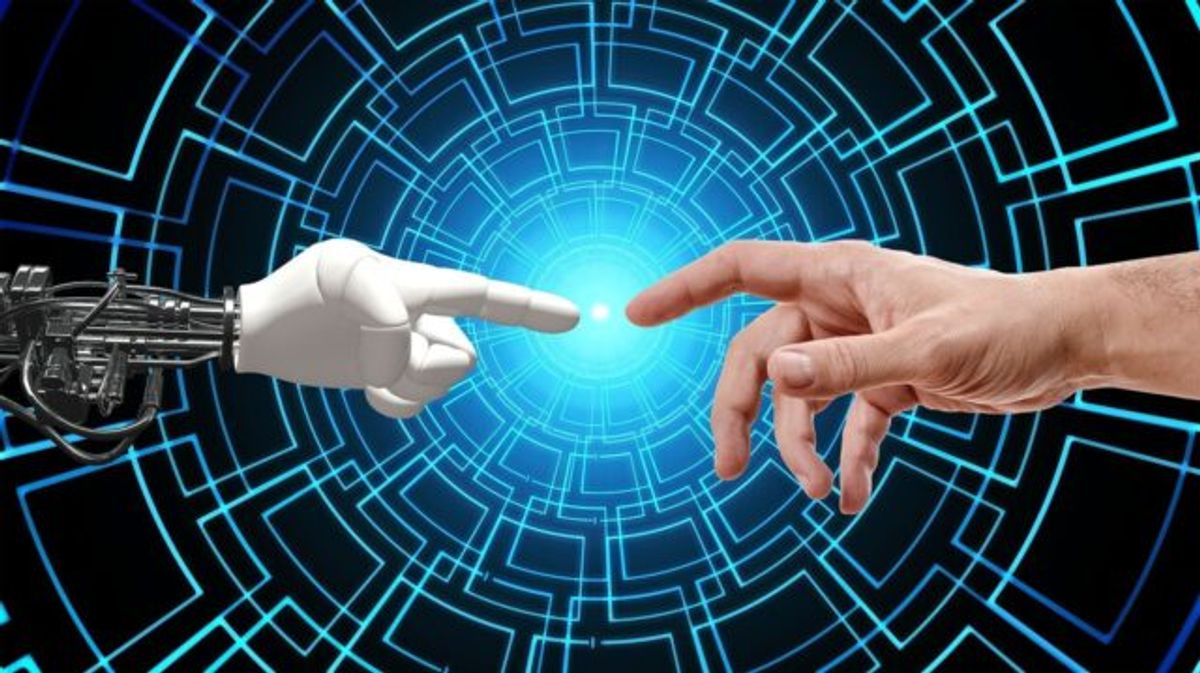
In the digital era where customer expectations are constantly evolving, artificial intelligence (AI) agents like ChatGPT have emerged as game-changers in the realm of web application interactions. These sophisticated agents are not just altering the dynamics of customer service but are also reshaping the overall user experience. By simulating human-like conversations, providing real-time support, and personalizing interactions, AI agents like ChatGPT are revolutionizing the way web applications engage with users. This article delves into the transformative role of AI agents in web applications, exploring the advancements from rule-based systems to AI-driven conversational interfaces and forecasting the future of AI-powered virtual assistants.
Key Takeaways
- AI agents like ChatGPT represent a significant evolution from rule-based systems to sophisticated models capable of understanding and responding to human language, enhancing the conversational interface of web applications.
- The integration of natural language processing (NLP) and machine learning has drastically improved the capabilities of chatbots, enabling them to offer personalized and contextually relevant interactions.
- ChatGPT has been pivotal in streamlining customer service, offering real-time interaction, and automating repetitive tasks, thereby driving productivity within web applications.
- Emerging AI tools such as DashAI and Let'sView Chat are examples of how AI can be integrated into web browsing and content management, showcasing the potential for AI to transform user experiences across various platforms.
- The future of AI in web applications is poised for significant advancements, with the potential to overcome current limitations and introduce a new generation of even more intelligent and personalized virtual assistants.
The Evolution of Conversational Interfaces

From Rule-Based Systems to AI-Driven Agents
The landscape of web interactions has been transformed by the advent of Conversational AI in Web Services, marking a departure from the rigid, rule-based systems of the past. These early systems, while groundbreaking for their time, were limited by a predefined set of rules and responses, offering little in the way of flexibility or adaptability.
Today, AI-driven agents are redefining the paradigm. They are not confined to binary scripts but can navigate the complexities of human language and intent. This evolution is not just a leap forward; it's a renaissance of possibilities for user engagement and satisfaction.
The true potential of AI agents lies in their ability to learn and evolve, creating a symbiotic relationship with users that grows more intuitive with each interaction.
Consider the following points that highlight the transformative nature of AI agents:
- They adapt to user behavior, learning from each interaction to provide more personalized responses.
- AI agents can handle a multitude of tasks simultaneously, from customer service inquiries to providing recommendations.
- The integration of these agents into web services has led to unprecedented levels of efficiency and user satisfaction.
Stas Sorokin, an expert in AI and software development, delivers exceptional lectures and projects tailored to individual needs, exceeding expectations and providing practical, innovative solutions. As we embrace this new era of web application interactions, let us not forget the human element that remains at the core of technology's advance. Engage with us, share your experiences, and join the conversation as we explore the limitless potential of AI agents together.
The Impact of NLP and Machine Learning on Chatbot Capabilities
The advent of Natural Language Processing (NLP) and Machine Learning (ML) has been nothing short of revolutionary for the field of conversational interfaces. These technologies have transformed chatbots from simple scripted responders to dynamic agents capable of understanding the nuances of human language. The integration of NLP and ML into chatbot frameworks has enabled these virtual assistants to interpret user queries, analyze sentiment, and provide contextually appropriate responses.
The sophistication of AI-driven chatbots and virtual assistants is not just a technological triumph; it's a bridge to more human-centric digital interactions.
The capabilities of AI agents like ChatGPT are a testament to the power of these advancements. With the ability to generate natural and coherent responses, these agents are revolutionizing the way we interact with web applications. They offer a range of benefits, including:
- Automated Customer Support: Providing instant responses to common queries, reducing the need for human agents, and enabling 24/7 support.
- Enhanced Conversational Experience: Leveraging deep learning models to produce more natural and engaging dialogues.
- Personalized User Interactions: Understanding complex user needs and offering tailored assistance.
As the field of deep learning continues to advance, the promise of integrating techniques like Natural Question Generation (NQG) into these frameworks is immense. This could lead to AI-powered conversational agents that not only understand but also engage with users in a meaningful way. Embrace the future of digital interaction by exploring our comprehensive Guide on scaling and customizing SaaS in the AI era, and discover the economic benefits of AI integration for your business.
ChatGPT: A Paradigm Shift in Human-Computer Interaction
The advent of ChatGPT marks a revolutionary leap in the domain of human-computer interaction. This AI-driven agent transcends the capabilities of traditional chatbots, offering a level of conversational intelligence that was once the stuff of science fiction. With its sophisticated understanding of context and nuance, ChatGPT heralds a new era where digital assistants not only respond to queries but anticipate needs and offer solutions proactively.
The seamless integration of ChatGPT into web applications has transformed the landscape of online services. Users now experience an unprecedented level of personalization and efficiency, akin to having a digital concierge at their fingertips.
ChatGPT's prowess is not just theoretical; it's measurable. Consider the following points that highlight its impact:
- ChatGPT plays a crucial role in powering chatbots and virtual assistants.
- Its ability to generate contextually relevant responses elevates user interactions.
- By simulating conversation, ChatGPT provides personalized assistance to users.
Professionals like Stas Sorokin, who specialize in web development and AI applications, are at the forefront of integrating these advanced capabilities into web services. Their expertise ensures that the potential of AI agents like ChatGPT is fully realized, enhancing the way we interact with technology on a daily basis.
As we continue to explore the frontiers of AI, let us not forget the transformative power of these technologies. Engage with ChatGPT, and witness firsthand the future of web application interactions. Embrace the change, and be part of the revolution.
Enhancing User Experience with AI Agents
Personalization Through Contextual Understanding
In the realm of web applications, the power of AI agents to personalize interactions through contextual understanding is nothing short of transformative. AI-driven chatbots have transcended the limitations of static, one-size-fits-all responses, evolving into sophisticated entities capable of delivering highly tailored experiences. By harnessing the vast amounts of data generated by users, these intelligent systems can predict needs, anticipate questions, and offer solutions that resonate on a personal level.
- Analyzing previous conversations to tailor responses
- Utilizing purchase history for customized recommendations
- Leveraging customer preferences to enhance service delivery
The seamless integration of personalization into the user experience not only elevates customer satisfaction but also fosters a sense of connection and trust with the brand.
For instance, consider the impact on e-commerce platforms: a virtual assistant can sift through a customer's past interactions and preferences to suggest products, offer personalized promotions, or even provide support that feels genuinely considerate. This not only streamlines the shopping journey but also cultivates a loyal customer base driven by positive, personalized encounters. As we continue to witness the evolution of these AI agents, the potential for creating addictive, user-centric web applications is immense. Embrace the change, and let AI unlock the full potential of your digital interactions.
Real-Time Interaction and Instantaneous Support
In the digital age, the expectation for instantaneous support has become the norm. AI agents, particularly in the form of chatbots, are at the forefront of meeting this demand. They offer 24/7 availability, ensuring that no customer query goes unanswered, regardless of the hour. This round-the-clock service is not just about availability; it's about providing accurate and personalized responses in real-time.
- 24/7 Availability: Customers can interact with AI-powered chatbots at any time, which significantly enhances customer satisfaction and loyalty.
- Instant Responses: Common inquiries about order status, product details, or policies are addressed immediately, streamlining the customer experience.
- Personalized Support: By analyzing past interactions and customer data, chatbots deliver tailored assistance, improving over time to offer more relevant support.
The integration of AI agents into web applications is not just a technological advancement; it's a commitment to customer excellence. The immediacy of support provided by these tools can transform a moment of frustration into an experience of relief and loyalty.
Imagine a scenario where a customer encounters a product issue late at night. The AI chatbot is there to provide a seamless troubleshooting experience, guiding the customer through the resolution process without delay. This level of responsiveness is not just impressive—it's becoming expected. As web applications continue to integrate AI agents like ChatGPT, we witness a significant shift in how businesses interact with their customers, setting a new standard for digital engagement.
To experience the pinnacle of real-time interaction and support, visit our website which offers AI-powered applications, programming services, and GPT-4 integration. Our services, including medical summaries, financial reports, and text summarization, are designed to elevate your business operations. With a focus on client satisfaction, premium support, and extensive experience, we are committed to unlocking the full potential of your web interactions.
The Role of ChatGPT in Streamlining Customer Service
In the realm of customer service, ChatGPT stands as a beacon of innovation, transforming the way businesses interact with their clientele. By leveraging its advanced natural language processing capabilities, ChatGPT enables chatbots to provide immediate, accurate, and personalized responses to customer inquiries. This not only enhances the customer experience but also significantly reduces the workload on human agents.
- ChatGPT's ability to understand context and remember past interactions leads to more meaningful and efficient customer service.
- It automates routine inquiries, allowing human agents to focus on complex issues that require a personal touch.
- The integration of ChatGPT into customer service platforms ensures a seamless transition between AI and human support, maintaining a high standard of service.
The sophistication of ChatGPT in customer service is not just about answering questions; it's about building relationships and trust with customers.
The impact of ChatGPT on customer service is evident in its ability to streamline operations and provide a level of personalization that was once thought impossible. As businesses continue to adopt ChatGPT, we can expect to see a significant shift in how customer service is delivered. Embrace the change and witness the remarkable benefits it brings to your customer service strategy.
AI Agents as Drivers of Web Application Productivity
Automating Repetitive Tasks with AI Assistants
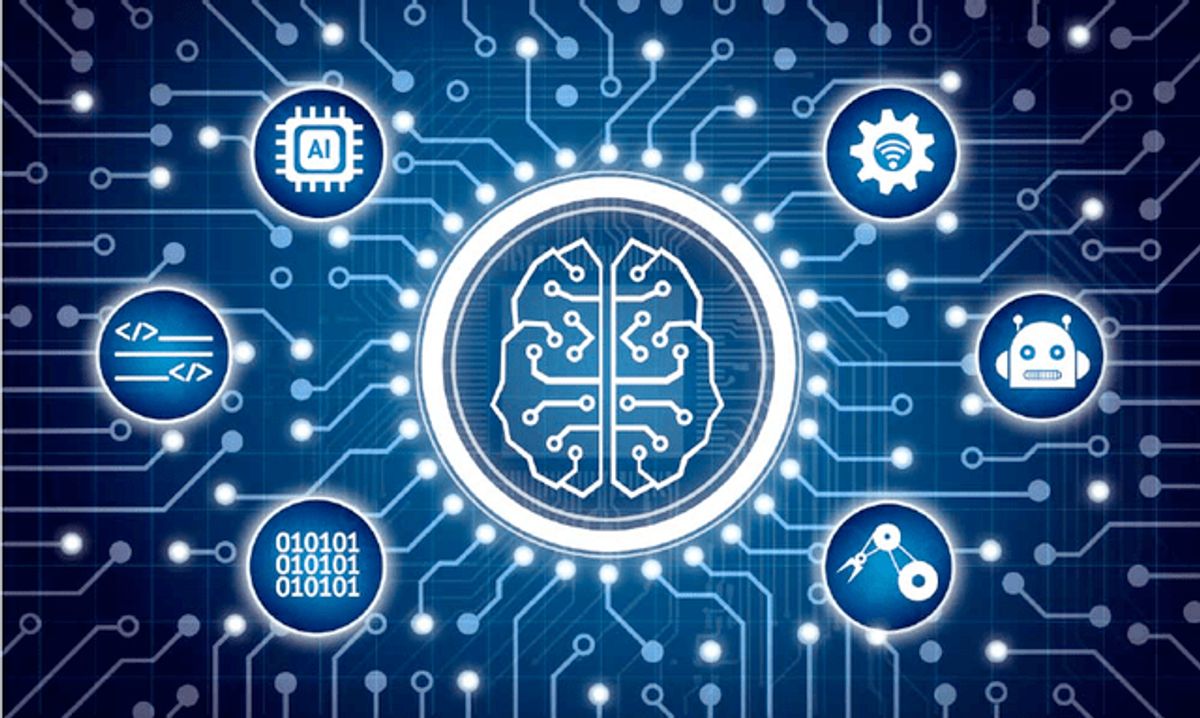
In the realm of web development, Implementing AI Agents in Websites has become a cornerstone for enhancing efficiency. These AI Assistants for Web Platforms are not mere novelties but essential tools that automate mundane and repetitive tasks, allowing creative human minds to focus on innovation and strategy. Custom AI Web Applications are now adept at handling customer queries, scheduling appointments, and even managing large datasets with ease.
The integration of AI into web platforms is not just a trend; it's a transformative shift that is redefining the boundaries of what web applications can achieve.
Building AI-Enabled Web Platforms goes beyond simple task automation. It involves creating systems that learn from interactions to provide increasingly sophisticated services. For instance, Web App AI Automation can streamline processes such as:
- Data entry and validation
- Customer service interactions
- Inventory management
- Content curation and updates
Enhancing Web Apps with AI Tech is not just about efficiency; it's about creating a more engaging and personalized user experience. As we continue to evolve our web applications with AI Capabilities, we are setting the stage for a future where web interactions are more intuitive, responsive, and tailored to individual needs. Embrace the future by exploring the potential of AI in your next web project.
Integrating DashAI for Enhanced Web Browsing
The integration of AI in web applications is not just a trend; it's a transformative movement reshaping how we interact with the digital world. Integrating AI in Web Apps has become a cornerstone for developers aiming to deliver a more intuitive and personalized user experience. DashAI exemplifies this by enhancing web browsing through AI-driven web app features, offering users a seamless and more efficient online journey.
- AI-Powered Web Applications: DashAI, as a Chrome extension, brings the power of AI to every website you visit, from AI-generated content to audio transcriptions.
- AI User Interaction Web Apps: It redefines the way users engage with web content, making interactions more natural and context-aware.
- Web App AI Enhancements: By leveraging AI, DashAI provides a suite of tools that streamline tasks and improve productivity.
- AI-Driven Web App Features: These features include model selection, file-based conversations, and internet exploration capabilities.
- AI Web App Customization: Users can tailor their browsing experience to their preferences, thanks to the customization options offered by AI interaction design for web.
The essence of AI Web App User Experience lies in its ability to understand and adapt to individual user needs, creating a browsing environment that feels uniquely personal.
As we continue to witness the evolution of AI web app customization and AI interaction design for web, it's clear that the future is bright for those who embrace these technologies. The call to action is simple yet profound: integrate AI into your web applications and unlock the full potential of your digital presence. Let's not just surf the web; let's revolutionize it with AI.
Leveraging ChatGPT for Content Generation and Management
In the realm of web development, the integration of AI agents has been nothing short of revolutionary. AI Agents in Web Development are not just tools; they are partners in crafting digital experiences that resonate with users on a personal level. ChatGPT, in particular, has emerged as a cornerstone in this transformative era, enabling AI Chatbots for Web Apps to deliver content that is both engaging and contextually rich.
The use of Intelligent Agents in Web Design extends beyond aesthetic appeal, as they empower creators with the ability to manage and generate content dynamically. This is where AI Agent Integration in Web Services truly shines, offering a seamless blend of creativity and efficiency. Consider the following benefits:
- Automated content creation that keeps pace with the demands of modern web users.
- Enhanced content management systems that learn and adapt to user preferences.
- Streamlined workflows that free up human talent for more complex and creative tasks.
AI-driven analytics revolutionizes businesses by providing actionable insights, accelerating growth, and transforming decision-making processes through adaptive learning and strategic integration.
As we continue to harness the capabilities of ChatGPT, we must also remain cognizant of the balance between automation and human touch. The future beckons with the promise of even more sophisticated AI-driven solutions, and it is incumbent upon us to steer this technology towards augmenting human creativity, not replacing it. Embrace the change, and let AI be your ally in the relentless pursuit of excellence in web development.
The Future of AI-Powered Virtual Assistants
Predicting Trends in AI Interaction Models
As we stand on the cusp of a new era in AI interaction models, it's clear that the trajectory of Agent AI systems is steeped in both promise and complexity. The integration of knowledge and logical reasoning is not just a trend; it's the bedrock for the next leap in AI sophistication. Agent AI's potential to navigate and interact with an ever-changing world hinges on its ability to learn and solve complex tasks through direct engagement with its environment.
The future of AI interaction models suggests a shift towards agents that are not only reactive but also proactive, capable of understanding and anticipating user needs. This evolution will likely see AI agents that can:
- Seamlessly integrate implicit and explicit knowledge sources
- Predict actions in novel scenarios
- Synthesize dynamic 3D or 2D scenes
- Replay or paraphrase scenarios for enhanced learning and productivity
The challenge ahead lies in transcending the current limitations of generalization performance in unseen environments. To achieve this, the development of general-purpose foundation models that leverage a knowledge-memory is paramount.
The implications for web applications are profound. Imagine AI agents that not only respond to queries but also initiate conversations, offer insights, and guide users through complex processes. This is not a distant dream but a tangible future that Bles Software is actively exploring. Articles by Stanislav Sorokin delve into these AI strategies and innovations, providing a roadmap for scalable development that businesses at different stages of growth can follow.
Overcoming Limitations of Current Virtual Assistants
While AI-powered virtual assistants have woven themselves into the fabric of our daily lives, they are not without their shortcomings. The quest to overcome these limitations is relentless, as developers strive to enhance the capabilities of these digital companions. Current virtual assistants, despite their sophistication, often stumble when faced with complex queries or when required to maintain human-like conversations.
The future of AI agents lies in transcending these hurdles, not just to perform tasks but to understand the nuances of human interaction.
To achieve this, a multi-faceted approach is necessary, one that includes refining algorithms, expanding knowledge bases, and improving contextual awareness. Consider the following steps to enhance virtual assistant performance:
- Refining natural language processing to grasp subtler aspects of conversation
- Expanding knowledge graphs for a more comprehensive understanding of the world
- Implementing advanced machine learning techniques to predict user needs
- Ensuring seamless integration with various platforms and services
The AI revolutionizes software development, impacting everything from requirements analysis to deployment. As we push the boundaries of what virtual assistants can do, we inch closer to a future where our interactions with technology are as natural and intuitive as those with our fellow humans. Engage with us as we explore this journey, and be part of the conversation that shapes the next generation of AI.
Anticipating the Next Generation of AI Chatbots
As we stand on the cusp of a new era in artificial intelligence, the anticipation for the next generation of AI chatbots is palpable. These advanced agents are expected to transcend the current capabilities, offering unprecedented levels of personalization and efficiency. Imagine a future where chatbots not only understand complex queries but also predict your needs before you articulate them.
The evolution of chatbots has been marked by continuous learning and improvement. The next leap forward will likely involve chatbots that can refine their responses in real-time, adapting to user feedback and evolving preferences. This adaptability will be crucial for businesses seeking to enhance customer engagement and drive revenue growth through AI analytics.
The future of AI chatbots is not just about smarter conversations; it's about creating an ecosystem where every interaction is an opportunity for growth and learning.
As we look ahead, it's essential to consider the potential impact of these advancements on various sectors. For SaaS companies, the integration of predictive analytics could mean more strategic actions based on data insights, leading to personalized experiences that resonate with users. The next generation of AI chatbots will be at the forefront of this transformation, becoming indispensable tools for customer service, content management, and overall web application productivity.
Conclusion
In conclusion, the integration of AI agents like ChatGPT into web applications signifies a transformative leap in digital interactions. These advanced conversational agents have evolved from rudimentary chatbots to sophisticated virtual assistants, capable of delivering personalized and intelligent user experiences. By harnessing the power of natural language processing and machine learning, they offer unprecedented levels of customer engagement, service automation, and content generation. As we stand on the cusp of this technological renaissance, it is clear that AI-driven chatbots and virtual assistants will continue to redefine the paradigms of human-computer interaction, propelling us towards a future where digital communication is as nuanced and responsive as its human counterpart.
Frequently Asked Questions
What are AI agents like ChatGPT and how do they affect web applications?
AI agents like ChatGPT are advanced conversational interfaces powered by artificial intelligence, particularly natural language processing and machine learning. They interact with users in a human-like manner, providing real-time assistance, personalized experiences, and automating services within web applications.
How have conversational interfaces evolved over time?
Conversational interfaces have evolved from simple rule-based systems to sophisticated AI-driven agents. The development of natural language processing (NLP) and machine learning has significantly enhanced their capabilities, allowing for more natural and effective human-computer interactions.
What role does ChatGPT play in enhancing user experience?
ChatGPT enhances user experience by offering personalized and contextually relevant interactions. It provides instantaneous support and streamlines customer service, making web application interactions more engaging and efficient.
Can AI agents like ChatGPT improve productivity in web applications?
Yes, AI agents can automate repetitive tasks, assist with content generation and management, and integrate with tools like DashAI to enhance web browsing, ultimately improving productivity within web applications.
What are the limitations of current virtual assistants and how might they be overcome?
Current virtual assistants may struggle with understanding complex queries and generating human-like conversations. Overcoming these limitations involves continuous advancements in AI technology, including better contextual understanding and more sophisticated interaction models.
What can we expect from the next generation of AI chatbots and virtual assistants?
The next generation of AI chatbots and virtual assistants is expected to deliver even more personalized and intelligent interactions. They will likely feature enhanced conversational abilities, deeper contextual awareness, and the ability to predict user needs and preferences.
Comments
Post a Comment