Unveiling the Future: How AI Agents Like ChatGPT Revolutionize Web Application Interactions
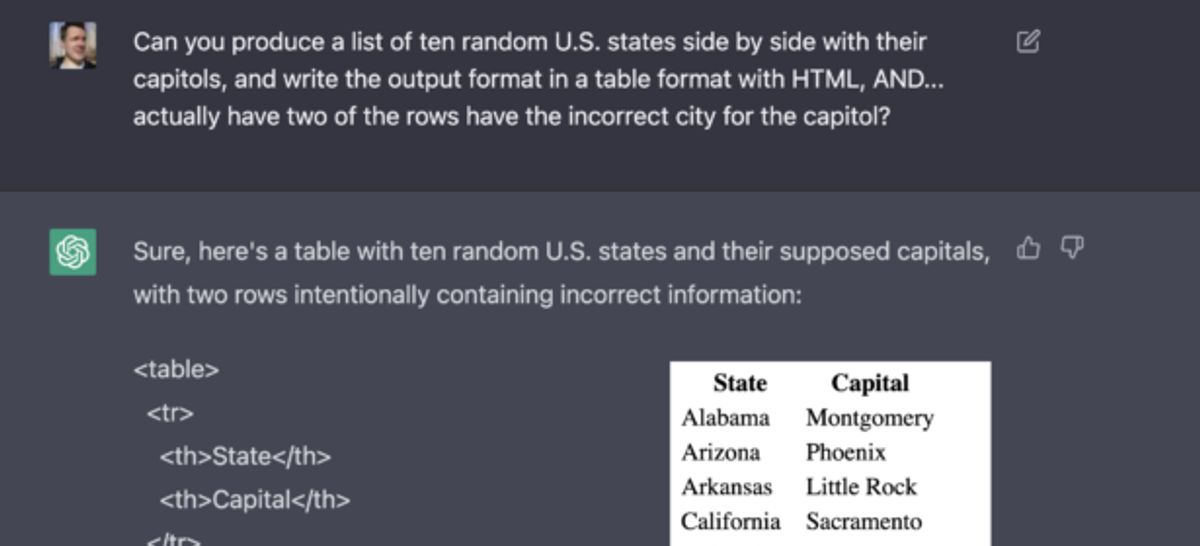
In the ever-evolving world of artificial intelligence, ChatGPT has emerged as a key player, harnessing the power of advanced machine learning to simulate human-like conversations. Now, the forerunners in AI innovation have equipped ChatGPT with a groundbreaking feature that takes these interactions to the next level: memory. This capability not only enhances the continuity of dialogues but also marks a significant differentiation from its predecessors. Join us as we explore how ChatGPT's newfound memory is reshaping the landscape of conversational AI and what this means for the future of digital communication.
Key Takeaways
- ChatGPT's memory feature marks a revolutionary advancement in conversational AI, enabling more coherent and contextually relevant dialogues.
- The tech community and AI enthusiasts are actively engaging with and testing ChatGPT's improved capabilities, noting its enhanced context handling.
- Experts recognize ChatGPT's memory as a critical step towards achieving human-like AI interactions and stress the importance of responsible data management.
- Generative AI, such as ChatGPT, is sparking innovation and creativity across various fields, while also enhancing accessibility and inclusivity.
- Real-world applications of AI language models, like ChatGPT, are transforming industries, particularly in customer service, content creation, and accessibility.
The Evolution of Conversational AI: ChatGPT's Memory Milestone
Understanding ChatGPT's Advanced Machine Learning
At the heart of ChatGPT's prowess lies a sophisticated machine learning framework that propels it beyond mere scripted responses. This framework enables ChatGPT to grasp the nuances of human conversation, evolving with each interaction. The memory feature, a recent milestone, allows ChatGPT to retain context over the course of a dialogue, a stark contrast to earlier models that lacked this continuity.
- Initial versions of ChatGPT generated responses without context retention.
- Subsequent updates integrated broader context, enhancing conversational depth.
- The current memory-enhanced model recalls previous interactions within a session.
The integration of memory into ChatGPT's architecture has not only revolutionized the user experience but has also set a new standard for conversational AI.
As we delve into the mechanics of ChatGPT's machine learning, it becomes clear that this technology is not just a tool but a partner in dialogue. Web developers, harnessing the power of GPT-4, now offer AI-powered applications that are reshaping the landscape of web interactions. From API development to software development, the expertise in stacks like NodeJS, PHP, Python, and React is creating a new era of AI integration in web applications.
The Impact of Memory on Dialogue Continuity
The introduction of memory in ChatGPT has been a game-changer for dialogue continuity, transforming the user experience from fleeting interactions to meaningful conversations. With memory, ChatGPT can now recall previous exchanges, allowing for a more coherent and personalized dialogue over time. This feature not only saves time and effort for users but also fosters a sense of familiarity and trust.
- Memory enables continuity in conversations, saving time and effort for users.
- It fosters a customized experience, as AI remembers user preferences and interests.
- By remembering context, ChatGPT can offer more relevant and precise information.
The implications for user interactions are profound. Users no longer face the frustration of repeating themselves or re-establishing context in each session. Instead, they are met with an AI companion that remembers past interactions and builds upon them, creating a more engaging and satisfying experience.
The seamless integration of memory into ChatGPT not only enhances the flow of conversation but also signals a significant leap towards more human-like interactions.
As we continue to explore the capabilities of AI, consider how memory can revolutionize your web applications. Offering API integration services starting at $175 for consultations and $2,500 for web applications, we specialize in creating solutions that prioritize security, scalability, and ongoing support. Embrace the future of conversational AI and elevate your user experience to new heights.
Differentiating ChatGPT from Previous AI Models
The introduction of memory in ChatGPT is not just an incremental update; it's a paradigm shift in conversational AI. This feature distinguishes ChatGPT from earlier models by enabling a level of dialogue continuity that mirrors human interaction. Previous iterations of conversational agents lacked the ability to retain context, making each exchange a standalone interaction. With memory, ChatGPT can reference past conversations, creating a more personalized and coherent experience.
The memory feature in ChatGPT is a game-changer, allowing for an unprecedented continuity in conversations that elevates user engagement to new heights.
Here's a quick comparison to illustrate the evolution:
- Initial Models: Generated responses based on data patterns without context retention.
- Intermediate Updates: Integrated broader context in responses, but still lacked session recall.
- Current ChatGPT: Remembers previous interactions within a session, enabling conversational depth.
As we delve into the intricacies of ChatGPT's memory, we invite you to reflect on how this advancement resonates with your experiences. Have you noticed a more meaningful interaction with AI? Does the continuity in dialogue make your digital communication feel more human? We encourage you to join the conversation and share your insights, as we collectively navigate the exciting future of AI-driven interactions.
Community and Expert Perspectives on ChatGPT's Memory Function

Gathering and Analyzing Reception from the Tech Community
The introduction of memory to ChatGPT has sparked a wave of enthusiasm within the tech community. This feature is not just an incremental update; it's a transformative leap that enhances the AI's conversational prowess. The feedback from developers and users who have interacted with previous versions of conversational AI highlights a significant improvement in several areas:
- Conversation coherence over extended interactions
- Contextual understanding and topic retention
- Personalization of user experience
- Reduction of repetitive or contradictory statements
The tech forums and social media platforms are teeming with discussions, indicating a collective eagerness to explore the full potential of these advancements.
The implications of this are profound, as AI revolutionizes software development with faster, more accurate analysis, automated design, prototyping, and code optimization. Integration enhances efficiency, quality, and innovation throughout the lifecycle. As we continue to monitor and analyze the reception, it's clear that the tech community is on the cusp of a new era in web application interactions. Stay tuned, engage with us, and be part of this exciting journey.
Expert Opinions on the Significance of the Memory Feature
The introduction of memory into ChatGPT's architecture has been met with acclaim from industry specialists, who recognize its potential to transform AI into a more nuanced conversational partner. Experts emphasize that memory is not just an add-on but a fundamental shift in how AI can process and utilize information over time, leading to more coherent and contextually relevant interactions.
- Memory enables AI to reference past conversations, enhancing user experience.
- It allows for the development of personalized responses, increasing engagement.
- Experts foresee memory as a stepping stone to more sophisticated AI capabilities.
The significance of this feature extends beyond technical marvel; it represents a leap towards AI that can truly understand and grow with its users. As we stand on the brink of this new era, the anticipation for what comes next is palpable. The AI community is abuzz with discussions on how to harness this advancement for greater innovation and agility, particularly in the realm of SaaS and the democratization of AI.
The integration of memory is a testament to the relentless pursuit of more human-like AI. It is a clear indicator that we are moving towards a future where AI is not just a tool, but a collaborative partner.
As we delve deeper into the implications of this feature, it's essential to consider the broader picture. The AI era is upon us, and businesses are already leveraging tools like OpenAI Feather and SIU Business GPT Fleet for a competitive edge. The adoption of Mixture of Experts (MoE) architectures is just one example of the innovative strategies being employed. The question now is not if, but how we will continue to evolve alongside these intelligent systems. Engage with us as we explore the future shaped by AI memory integration.
Summarizing the Consensus on ChatGPT's Advancements
The integration of memory into ChatGPT has been a game-changer, fostering a new era of AI that understands and retains context over conversations. This advancement has not only elevated the user experience but has also set a new standard for conversational AI. The tech community's reception has been largely positive, with excitement surrounding the potential for more sophisticated interactions. Experts agree that this feature marks a significant leap forward, differentiating ChatGPT from its predecessors and enhancing its applicability across various fields.
From academic research to practical applications, ChatGPT's influence is undeniable. It has reshaped the landscape of human-computer interaction, offering insights and capabilities that were once the realm of science fiction. The consensus is clear: ChatGPT's memory feature is a pivotal development in the evolution of AI.
The ethical integration of AI in business and technology is not just a strategic advantage but a commitment to social responsibility and user trust.
As we continue to explore the vast potential of AI, let us not forget the importance of responsible innovation. Ethical AI in business ensures transparency, accountability, fairness, and privacy. Companies benefit by embedding AI responsibly, leading to social impact and strategic advantage through predictive analytics. Your engagement and feedback are crucial as we navigate this journey together. Share your thoughts and join the conversation to shape the future of AI.
Generative AI Mechanics and the Creative Process
Exploring the Technical Components of AI Applications
Diving into the technical components of AI applications is akin to peering under the hood of a futuristic vehicle. At the heart of these applications lies the Large Language Model (LLM), a complex layer that processes and generates human-like text. Surrounding this core are orchestration frameworks, data sources, and the essential infrastructure that supports the AI's operation.
- Infrastructure: Critical for access, it ranges from physical GPUs and CPUs to cloud services like AWS, Azure, and GCP.
- Data Structures & Algorithms: These underpin AI memory, enabling the retention and recall of information, much like human memory.
- Observability Tools: Vital for scaling, they provide insights into application performance and help maintain functionality.
AI-driven analytics revolutionizes businesses by providing actionable insights, accelerating growth, and enhancing decision-making through adaptive learning and deep analysis. Integration of AI is crucial for operational efficiency and market adaptation.
Understanding these components is not just for the tech-savvy. It's essential for anyone looking to leverage AI for growth, efficiency, and a competitive edge. As AI continues to evolve, staying informed is not just an option—it's imperative for success. Embrace the revolution, and let's navigate this journey together.
Fostering Creativity and Innovation with ChatGPT
In the realm of digital creation, ChatGPT stands as a beacon of innovation, offering a plethora of tools that ignite the creative spark within us all. It serves as a collaborative partner in the creative process, providing instant feedback, brainstorming assistance, and a wellspring of ideas that can be tailored to art, design, and technological innovation.
- ChatGPT sparks creativity by generating ideas and solutions.
- It aids in brainstorming and provides feedback on creative projects.
- The AI serves as a tool for innovation across various fields.
Accessibility is another cornerstone of ChatGPT's contribution to creativity. By offering a text-based interface that is compatible with screen readers, ChatGPT ensures that individuals with disabilities have equal access to its vast resources, fostering an inclusive environment where creativity knows no bounds.
The integration of memory in ChatGPT has revolutionized the continuity of dialogues, allowing for a richer and more personalized interaction that elevates the creative process.
As we delve into the mechanics of generative AI, we uncover the intricate dance between technology and human ingenuity. ChatGPT's role in content creation is multifaceted, from writing articles and product descriptions to composing marketing materials. It stands as a testament to the symbiotic relationship between AI and human creativity, where each inspires and enhances the other.
We invite you to join the conversation and explore how ChatGPT can transform your creative endeavors. Embrace the future of innovation and let your imagination soar with the support of this groundbreaking AI.
Enhancing Accessibility Through Conversational Agents
The integration of Intelligent Agents in Web Design is not just a trend; it's a commitment to inclusivity. By Implementing AI Agents in Websites, we unlock a new realm of possibilities for users with diverse needs. Accessibility is no longer an afterthought but a primary design consideration, thanks to AI Interaction Design for Web.
- Conversation coherence over extended interactions
- Contextual understanding and topic retention
- Personalization of user experience
- Reduction of repetitive or contradictory statements
These advancements in conversational AI are not mere incremental updates but represent a paradigm shift in ChatGPT's conversational abilities, echoing the broader effects on industries reliant on conversational AI.
The transformative power of AI in enhancing accessibility is evident in education. AI-powered educational tools can improve accessibility for students with disabilities by providing alternative formats for learning materials and personalized support.
In the realm of education, 24/7 accessibility to learning resources is a game-changer. Chatbots and virtual tutors powered by AI language models can provide round-the-clock access to learning resources, support self-paced learning, and facilitate independent study. For language learners, AI language models offer practice, exercises, and comprehension activities, supplementing traditional methods and providing invaluable assistance.
As we continue to explore the potential of AI in web applications, let us not forget the profound impact it has on human lives. The future is here, and it speaks to everyone. Engage with us as we delve deeper into the world of AI and its implications for society. Your insights are crucial in shaping the conversation around these transformative technologies.
Real-World Applications of AI Language Models

Customer Service Chatbots: A Paradigm Shift
The integration of AI Agents in Web Development has led to a transformative era in customer service. AI User Interaction Web Apps, powered by advanced conversational AI, are now at the forefront of this revolution. These AI Chatbots for Web Apps are not just reactive but proactive, offering personalized assistance and fostering a new level of AI Web App Customization.
Consider the following benefits that AI-driven chatbots bring to the table:
- Conversational AI in Web Services enhances the user's engagement by understanding and retaining context over multiple interactions.
- AI Web App User Experience is significantly improved through the reduction of repetitive queries and the provision of coherent, context-aware responses.
- AI Assistants for Web Platforms remember user preferences and history, leading to a more personalized and efficient service.
- Web App AI Automation streamlines operational workflows, allowing businesses to focus on growth and innovation.
- AI Agent Integration in Web Services ensures that customer support is not only available 24/7 but is also consistently high quality.
The paradigm shift is clear: AI chatbots are not just changing the game; they're redefining it. By enhancing decision-making and service optimization, they are creating a new standard for customer service.
AI-driven success stories showcase transformative power in business, from data quality improvements to predictive analytics for growth and efficiency. Integration of AI in SaaS, market trend analysis, and operational workflows enhances decision-making and service optimization. The future of web applications lies in these enhancements, and the call to action for developers and businesses alike is to embrace AI Web App Enhancements for a competitive edge.
Content Creation and Assistance with Generative AI
In the realm of web applications, generative AI stands as a transformative force, particularly in the domain of content creation. ChatGPT and similar models have redefined the way we approach the written word, offering a blend of efficiency and creativity that was previously unattainable. These AI agents are not just tools; they are collaborators that enhance the creative process for writers, marketers, and content strategists.
The applications of generative AI in content creation are vast and varied:
- Generating blog posts, articles, and social media content
- Crafting compelling product descriptions
- Composing personalized email campaigns
- Providing inspiration and expanding upon ideas
The synergy between human creativity and AI's capabilities opens up a new frontier for producing engaging and relevant content.
As we delve deeper into the mechanics of generative AI, we find a sophisticated interplay of algorithms and data models that empower these systems to understand context, generate coherent narratives, and even mimic stylistic preferences. The result is a powerful tool that can be harnessed to produce high-quality content at scale, while still allowing for the human touch that resonates with audiences.
The value of such technology is not lost on professionals in the field. A consultant with expertise in tech stack web development and AI provides valuable advice and high-quality projects, earning positive reviews for exceptional service and knowledge sharing. This symbiotic relationship between AI and human expertise is the cornerstone of innovation in content creation.
We invite you to explore the potential of generative AI in your own projects. Embrace the future of content creation, where the fusion of human ingenuity and artificial intelligence paves the way for unparalleled storytelling and communication.
The Role of AI in Accessibility and Inclusivity
Integrating AI in Web Apps is not just about enhancing user experience; it's a commitment to inclusivity. AI-Powered Web Applications are breaking down barriers, offering unprecedented access to information and services for those with disabilities. Custom AI Web Applications are tailored to address specific needs, transforming the web into a place where everyone has a voice and an opportunity to learn.
The transformative power of AI-Driven Web App Features lies in their ability to adapt to the user, not the other way around. This adaptability ensures that Web Applications with AI Capabilities are not only accessible but also empowering.
Building AI-Enabled Web Platforms goes beyond mere compliance with accessibility standards. It's about creating an environment where diversity is not just accepted but celebrated. Enhancing Web Apps with AI Tech means providing tools that understand and interact with users of all abilities, fostering a sense of belonging and community. Here's how AI is making a difference:
- Personalized Learning: AI adapts to individual learning styles, offering support where it's needed most.
- Cognitive Assistance: For those with cognitive disabilities, AI can simplify complex information, making it more digestible.
- Communication Aids: Speech-to-text and text-to-speech functionalities bridge communication gaps.
The call to action is clear: we must continue to push the boundaries of what's possible with AI. By doing so, we not only enhance the functionality of our web applications but also uphold the values of a society that prizes accessibility and inclusivity for all. Let's embrace the challenge and lead the charge in building a more inclusive digital world.
Navigating the Ethical Landscape of AI Memory Integration
Balancing Memory Capabilities with Data Privacy
The integration of memory into AI systems like ChatGPT marks a transformative leap in how we interact with technology. The ability to recall previous interactions enhances the user experience, but it also casts a spotlight on the critical issue of data privacy. As we entrust these systems with our personal conversations, the question of how this data is managed becomes paramount.
The implications of an AI with memory are vast, setting the stage for more sophisticated AI-human collaboration.
While the benefits are clear, the potential risks cannot be ignored. Unauthorized access to sensitive information and data breaches are real threats in this era of advanced AI capabilities. To address these concerns, a multi-layered approach to security is essential:
- Ensuring end-to-end encryption of data in transit and at rest
- Implementing strict access controls and regular audits
- Adopting transparent data retention and deletion policies
OpenAI has taken measures to safeguard user information, but as users, we must also remain vigilant. By staying informed and advocating for strong privacy standards, we can enjoy the fruits of AI innovation without compromising our digital safety. Remember, the future of AI is not just about technological prowess; it's about shaping a world where trust and security go hand in hand with advancement.
The Responsibility of AI Developers in Safeguarding User Information
In the era where AI revolutionizes manufacturing, risk management, and B2B sales, the onus of safeguarding user information falls squarely on the shoulders of AI developers. OpenAI, as a forerunner, has set a precedent with its commitment to user security, implementing end-to-end encryption, rigorous access controls, and regular security audits. These measures are not just a technicality but a fundamental aspect of user trust.
The integration of memory capabilities into AI systems like ChatGPT underscores the importance of robust security measures to protect against data breaches and unauthorized access.
Users also play a critical role in maintaining their data privacy and security. Here are some best practices:
- Stay Informed: Keep abreast of the latest data protection measures.
- Review Permissions: Regularly adjust your privacy settings.
- Secure Accounts: Use strong passwords and two-factor authentication.
- Data Sharing Awareness: Be mindful of the personal data you share.
As we anticipate future enhancements in AI, developers must navigate the delicate balance between innovation and the ethical responsibility of protecting user information. The community's trust hinges on this balance, making it imperative for continuous improvement in data security protocols.
Anticipating Future Enhancements and Their Societal Impact
As we stand on the brink of a new era in AI development, the anticipation of future enhancements to AI memory technology stirs both excitement and contemplation. The trajectory of AI memory advancements is poised to redefine our interaction with technology, transforming it into a more intuitive and human-like experience. The implications of such advancements are profound, particularly for sectors that rely heavily on conversational AI.
The potential for AI to improve efficiency and user satisfaction is immense, setting the stage for unprecedented AI-human collaboration.
The following points highlight the anticipated technical upgrades and their societal implications:
- Innovative solutions for learning, storing, and retrieving information
- Enhanced cognitive abilities that mimic human understanding
- Increased trust in AI outputs as part of our digital lives
These upgrades, informed by user feedback and expert insights, promise to deepen our relationship with AI agents like ChatGPT. As we envision a future where tasks once confined to the realm of science fiction become reality, it is crucial to engage in a dialogue about the ethical considerations of such advancements. Balancing the benefits with data privacy and security concerns will be paramount. The role of AI developers, including experts like Stas Sorokin, who offers web development services with expertise in AI applications, will be critical in navigating this landscape. Their contributions will ensure that AI continues to serve as a beacon of innovation, accessibility, and inclusivity.
We invite you to join the conversation and contribute your perspective on the future of AI. How do you see these enhancements impacting your life or industry? Share your thoughts and be a part of shaping the AI of tomorrow.
Conclusion
In summary, the integration of AI agents like ChatGPT into web applications marks a transformative era in digital communication. The advent of memory and advanced machine learning techniques has not only improved the continuity and relevance of interactions but also fostered a more human-like conversational experience. As we have seen, the tech community's reception is largely positive, with experts and users alike recognizing the potential for innovation and enhanced accessibility. The real-world applications of ChatGPT, from customer service to creative assistance, underscore its versatility and the broad impact it can have across industries. While the journey of AI is far from over, the current advancements suggest a future where AI agents will become even more integral to our daily web interactions, challenging us to reimagine the boundaries of technology and human engagement.
Frequently Asked Questions
What is the significance of ChatGPT's memory feature?
ChatGPT's memory feature marks a significant advancement in conversational AI, allowing it to remember past interactions for more coherent and contextually relevant conversations, enhancing user experience and revolutionizing industries reliant on conversational AI.
How does ChatGPT's memory improve dialogue continuity?
With memory, ChatGPT can maintain the context of a conversation over longer periods, providing responses that are relevant to previous interactions, thus creating a more natural and seamless dialogue experience.
What makes ChatGPT different from previous AI models?
Unlike previous AI models, ChatGPT with memory can recall earlier parts of the conversation, which enables it to engage in more nuanced discussions and offer more personalized and accurate assistance.
What are the potential risks associated with AI memory integration?
The integration of memory in AI raises concerns about data privacy and the responsibility of AI developers to implement robust measures to protect user information and ensure ethical use of the technology.
How is generative AI like ChatGPT impacting creativity and innovation?
Generative AI, such as ChatGPT, fosters creativity and innovation by generating ideas, providing feedback on creative projects, and serving as a tool for innovation in fields like art, design, and technology.
What are some real-world applications of AI language models like ChatGPT?
AI language models are used in customer service chatbots for handling inquiries and support, content creation, and improving accessibility for individuals with disabilities by providing text-based interactions and spoken responses.
Comments
Post a Comment