Unveiling the Future of Web Applications: How AI Agents like ChatGPT Revolutionize User Engagement

In the ever-evolving landscape of web applications, AI agents like ChatGPT stand at the forefront of a revolution in user engagement. These sophisticated tools are not just redefining the boundaries of digital communication but are also setting new standards for personalized and automated web services. As we delve into the transformative potential of AI-powered conversational interfaces, we uncover the profound impact they have on user experience, efficiency, and content creation. This article explores the journey from the early days of simple chatbots to the advanced capabilities of GPT-4, the role of AI in enhancing digital communication, and the ethical considerations that accompany the integration of AI into our daily lives.
Key Takeaways
- AI agents like ChatGPT are revolutionizing web applications by enhancing user engagement through personalized and automated interactions.
- The evolution from basic chatbots to advanced language models such as GPT-3 and GPT-4 marks a significant leap in AI's ability to understand and participate in complex conversations.
- AI-powered chat applications serve as essential tools for streamlining digital communication, offering immediate, accurate, and human-like responses across various contexts.
- The integration of AI into web services raises important challenges and ethical considerations, including data privacy, energy consumption, and the need for human oversight.
- Future trends in AI chat technology suggest further advancements in language models, with implications for content creation, business strategies, and user engagement.
The Evolution of Conversational AI: From Simple Bots to Advanced ChatGPT
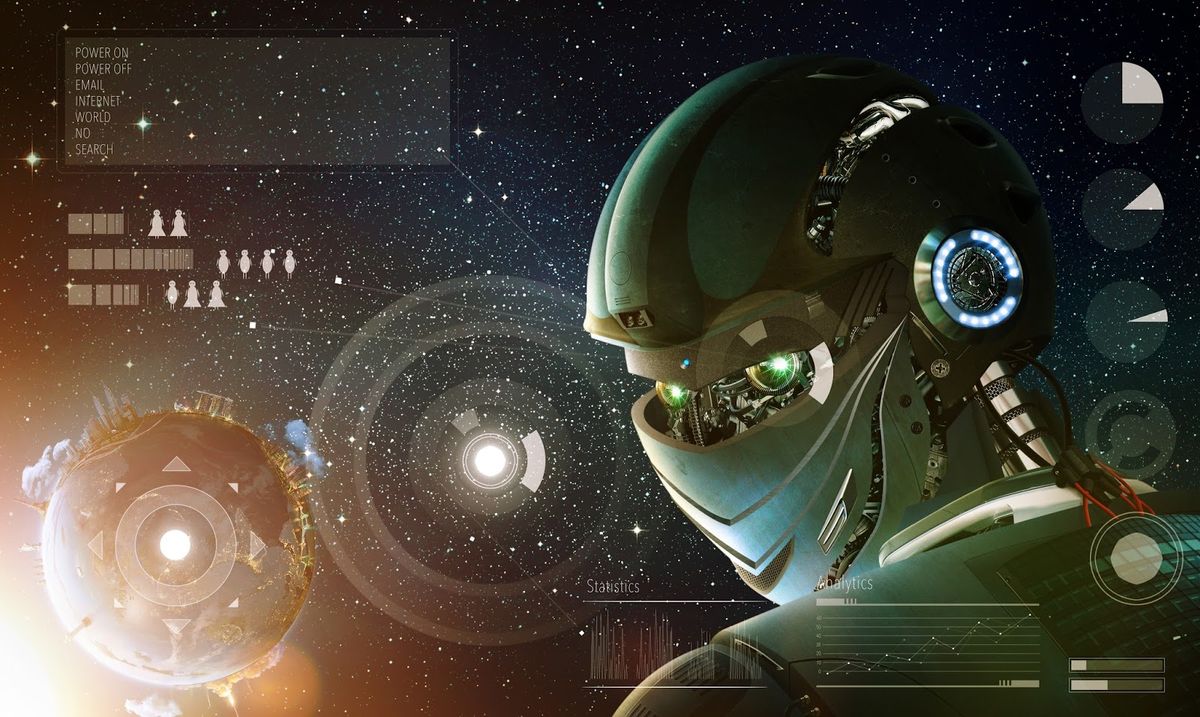
Historical Progression of Chatbots and Language Models
The journey of conversational AI is a tale of relentless innovation and transformation. From the rudimentary chatbots of the early internet era to the sophisticated language models of today, each leap forward has brought us closer to a seamless human-computer interaction. The advent of GPT-4 marks a pivotal moment in this evolution, setting a new standard for AI communication.
- Early Chatbots: Simple rule-based systems with limited responses.
- Evolution of NLP: Progress in natural language processing (NLP) enabling more fluid conversations.
- Rise of Machine Learning: Machine learning algorithms enhancing the adaptability of chatbots.
- Emergence of GPT-3: A breakthrough in language models, offering unprecedented conversational capabilities.
- GPT-4 and Beyond: Anticipated advancements in context understanding and complex conversation management.
The sophistication of these models is not just a technical marvel; it is a bridge to a future where digital communication is indistinguishable from human interaction.
As we reflect on this historical progression, it's clear that the integration of AI into web applications is not just a trend—it's a revolution in user engagement. The implications for businesses, educators, and developers are profound. Imagine a world where every digital service you use understands you just as well as your closest friend. This is the promise of AI-powered applications, and it's closer than you think. Dive into the world of AI with us, explore our programming services, and read through client testimonials that showcase the transformative power of GPT-4 integration. Your journey into the future of web applications begins here.
The Advent of GPT-3 and GPT-4: A New Dawn in AI Communication
The introduction of GPT-3 and GPT-4 marked a pivotal moment in the realm of conversational AI, setting a new standard for natural language understanding and generation. These models, with their unprecedented scale and sophistication, have redefined the boundaries of human-AI interaction.
The leap from earlier models to GPT-3 and GPT-4 is not merely incremental; it is transformative. The ability of these AI agents to grasp context, generate coherent responses, and even exhibit creativity, has paved the way for more intuitive and engaging digital communication platforms.
The integration of these advanced language models into web applications has not only enhanced user engagement but also sparked a conversation about the potential of reaching artificial general intelligence (AGI).
As we stand on the cusp of this new era, it is crucial to recognize the transformative impact of these technologies:
- They have been seamlessly woven into the fabric of various digital platforms, from search engines to messaging apps.
- The evolution towards AGI promises even more sophisticated and human-like interactions.
- Businesses and developers are now empowered to train these models on their own data, fine-tuning AI's capabilities to their specific needs.
The future beckons with the promise of AI that can not only understand and converse but also create and innovate. As we embrace this future, let us engage with these technologies responsibly, ensuring they serve to enhance, not replace, the human experience. Discover more about how AI is transforming the digital landscape by continuing to read 'Unveiling the Future of Web Applications: How AI Agents like ChatGPT Revolutionize User Engagement'.
Implications of Advanced AI on User Interaction and Engagement
The advent of advanced AI, particularly in the form of conversational agents like ChatGPT, has ushered in a transformative era for user interaction and engagement. Smart reply systems have emerged as a cornerstone in this evolution, optimizing communication within the workplace and beyond. These systems not only streamline conversations but also adapt to the nuances of human expression, fostering a more natural and efficient exchange of ideas.
Interactive user interfaces powered by Large Language Models (LLMs) are at the forefront of this revolution. They are not just altering the way we communicate; they are reshaping the very fabric of collaboration. By generating context-aware, coherent, and personalized responses, LLM-based AI assistants like ChatGPT are setting new standards for digital communication.
The fluid and complex nature of human-machine agency transfer is a testament to the profound impact AI has on content creation and behavior.
However, the integration of AI into our digital lives is not without its challenges. As we navigate this new landscape, it is crucial to consider the implications of AI on human agency and the unintended influences it may have. The table below encapsulates the key areas where AI is making its mark:
| Area of Impact | Description |
|---|---|
| Communication Efficiency | AI enhances interpersonal and organizational interactions. |
| Personalization | AI tailors responses to individual user preferences. |
| Collaboration | AI promotes smoother information exchange among collaborators. |
| Workflow Streamlining | AI assists in optimizing conversation management and workflows. |
As we continue to explore the potential of AI in enhancing user engagement, let us remember the words of Stas Sorokin, whose AI lectures and projects are renowned for their customization, practicality, and innovation. These efforts significantly impact learners' understanding and skills in AI, paving the way for a future where AI and human intelligence coalesce to create unparalleled user experiences. Engage with us as we delve deeper into this fascinating journey of discovery and innovation.
Enhancing Digital Communication: The Role of AI Chat Applications
The Mechanisms Behind AI-Powered Conversational Interfaces
At the heart of AI-powered conversational interfaces lies a symphony of complex algorithms and data-driven insights. These interfaces are designed to emulate human conversation, providing a seamless and intuitive user experience. The sophistication of these systems is not just in understanding language but in interpreting the nuances and context that give it meaning.
- Natural Language Processing (NLP): The cornerstone of AI communication, enabling machines to comprehend and generate human language.
- Machine Learning (ML): Algorithms learn from data to improve response accuracy over time.
- Deep Learning: Employs neural networks to grasp subtleties and evolve interactions.
The integration of these technologies ensures that each interaction is not only informative but also engaging, fostering a connection that feels genuinely human.
AI revolutionizes software development with faster, more accurate analysis, design automation, and code optimization. Enhances efficiency, quality, and productivity throughout the development lifecycle. As we delve deeper into the capabilities of AI, we uncover its potential to not only respond to user queries but to anticipate needs and personalize communication. This predictive power is reshaping the landscape of digital engagement, inviting users to experience a new realm of interactive possibilities. Embrace the future—engage with AI.
AI Chat Apps as Tools for Streamlined Digital Interactions
In the digital realm, AI Chatbots for Web Apps have become the linchpin of streamlined communication, bridging the gap between human intricacy and machine efficiency. These sophisticated agents are not merely tools; they are collaborators in the art of conversation, adept at interpreting nuances and delivering responses with a near-human touch.
- AI chatbots understand context and emotion, tailoring interactions to each user.
- They provide 24/7 availability, ensuring no query goes unanswered.
- By handling routine inquiries, they free up human agents for complex issues.
The integration of AI chatbots into web applications is not just a technological upgrade; it is a redefinition of user engagement, setting a new standard for digital interaction.
Businesses and individuals alike are recognizing the transformative power of AI chatbots. They are not just a convenience but an essential component in the architecture of modern web services. As we continue to navigate the vast digital landscape, the role of AI chatbots will only become more integral, shaping the way we communicate, conduct business, and manage our digital lives.
We invite you to explore the potential of AI Chatbots for Web Apps in your own digital strategy. Embrace the future of user engagement and witness the remarkable difference it can make.
The Impact of AI Chat Apps on Professional and Social Communication
In the realm of professional and social communication, AI chat apps have emerged as pivotal tools, reshaping our interactions and fostering a new era of digital discourse. These applications have transcended the boundaries of traditional communication, offering a blend of immediacy, personalization, and efficiency that is unparalleled.
For professionals, AI chat apps have become indispensable for customer service, team collaboration, and networking. They enable real-time problem-solving and decision-making, often with a level of nuance that rivals human interaction. Here's how AI chat apps are revolutionizing communication:
- Customer Support: Providing instant, 24/7 assistance to customers.
- Team Collaboration: Facilitating seamless project management and brainstorming.
- Networking: Expanding professional connections through intelligent matchmaking.
On the social front, these apps have transformed how we maintain relationships, share experiences, and engage in community building. The convenience and adaptability of AI chat apps mean that we can stay connected in ways that were once unimaginable.
The integration of AI in our communication tools is not just a technological upgrade; it is a cultural shift that is redefining human interaction.
As we continue to navigate this transformative landscape, it is essential to recognize the value brought by experts who can harness the power of AI to enhance web applications. Stas Sorokin, a Pro on Fiverr, offers web development services with expertise in JavaScript, Node.js, PHP, Angular Material, and Laravel. Specializes in API integration and AI applications. Embracing such expertise is key to unlocking the full potential of AI chat apps.
In conclusion, the impact of AI chat apps on our professional and social lives is profound and ever-evolving. To stay ahead, we must engage with these technologies, understand their capabilities, and leverage them to enrich our digital interactions. The future of communication is here, and it speaks AI.
Personalization and Automation: AI's Transformation of Web Services

Customizing User Experience with AI Agents
In the realm of web development, the integration of AI agents is not just a trend; it's a transformative force. Custom AI web applications are redefining the way users interact with digital platforms, offering a level of personalization that was once the stuff of science fiction. AI-driven web app features are now capable of adapting in real-time to user preferences, learning from interactions to deliver a more tailored experience.
- AI Agents in Web Development: Pioneering the future of user-centric design.
- Integrating AI in Web Apps: Crafting interactive experiences that resonate on a personal level.
- AI User Interaction Web Apps: Elevating the standard of digital engagement.
- Web App AI Enhancements: Seamlessly blending AI capabilities into the user interface.
The ability of AI to understand and adapt to the individual user's needs is the cornerstone of modern web services. AI interaction design for web is not just about aesthetics; it's about creating a connection that feels intuitive and human.
Web applications with AI capabilities are no longer a novelty but a necessity for businesses seeking to stay ahead. Implementing AI agents in websites means opening a gateway to innovative solutions that can handle complex tasks with ease, from customer service to content creation. The future of web app customization lies in the hands of intelligent agents in web design, which are set to revolutionize the industry.
Remember, enhancing web apps with AI tech is not just about the technology; it's about the value it brings to the user. AI assistants for web platforms are here to stay, and their evolution will continue to shape the digital landscape. As we embrace AI agent integration in web services, we must also consider the ethical implications and strive for responsible innovation. Engage with us as we explore the vast potential of AI in web applications—your gateway to an enhanced digital future.
Automating Services for Efficiency and Scalability
In the realm of AI-Powered Web Applications, the promise of automation is not just a futuristic dream but a tangible reality. Building AI-Enabled Web Platforms has become synonymous with achieving operational excellence. By integrating Web App AI Automation, businesses can scale with unprecedented speed and adaptability.
- Serverless Architectures allow for dynamic scaling and cost-effective resource management.
- Business Observability Tools provide insights into application performance, ensuring seamless user experiences.
- Infrastructure Monitoring ensures the reliability and efficiency of the underlying systems.
Embracing AI-driven data analysis is not merely about keeping up with trends; it's about harnessing the power of AI for transformative outcomes and strategic initiatives in the digital marketplace.
AI-driven data analysis offers operational excellence, efficiency, and competitive advantage. As we continue to push the boundaries of what's possible with AI, we invite you to join us on this journey. Embrace AI for transformative outcomes and strategic initiatives in the digital marketplace. The future is here, and it's automated, personalized, and scalable. Are you ready to be part of it?
The Future of Personalized Content Creation with AI
The landscape of web applications is undergoing a seismic shift, with AI agents at the forefront of this transformation. AI-driven analytics revolutionize customer engagement by delivering personalized experiences that exceed expectations. This is not just about automating content; it's about creating a unique narrative for every user, a narrative that resonates on a personal level and fosters a deep connection with the brand.
The evolution of GPT-4 and beyond promises chatbots that can understand context better, manage more complex conversations, and generate creative content that rivals human output.
As we stand on the brink of this new era, let's consider the practical steps toward harnessing AI for content creation:
- Identifying the target audience and their preferences
- Leveraging AI to analyze user data and predict content preferences
- Utilizing advanced language models to craft tailored content
- Continuously refining AI algorithms through feedback loops
The integration of AI into web services is not just a trend; it's a strategic imperative for businesses aiming to stay relevant and competitive. Embrace the future—explore how AI can elevate your content strategy today.
Navigating the Challenges and Ethical Considerations of AI Integration

Addressing Data Privacy in the Age of Conversational AI
In the digital era, where conversational AI becomes increasingly intertwined with our daily lives, the sanctity of personal data stands at the forefront of user concerns. The evolution of smart reply systems demands a delicate balance between user convenience and privacy to establish user trust. Users are calling for a 'privacy mode' that can be toggled, reflecting the need for control over when AI assists in our conversations and when it steps back.
The specific usage scenario emerged as a pivotal determinant influencing user privacy apprehensions.
A geographical facet also influences perceptions of privacy, with varying degrees of concern across different regions. The opacity surrounding system operations and data storage only heightens the urgency for transparent practices. To navigate these challenges, we must:
- Embrace ethical AI practices for unbiased analytics.
- Prioritize transparency, fairness, and human oversight.
- Mitigate bias and navigate data privacy and security challenges.
By addressing these points, we not only foster sustainable growth with AI-driven analytics but also build a foundation of trust with users. Engage with us as we explore the intricacies of data privacy in AI and contribute to the conversation for a more secure digital future.
Energy Consumption and Sustainability in AI Development
As AI applications burgeon, the energy consumption and sustainability of their underlying infrastructure become pivotal. The deployment of AI, particularly in web applications, hinges on robust infrastructure, which includes physical GPUs and CPUs or cloud services like AWS, Azure, and GCP. This infrastructure is not just a silent backdrop; it's the stage upon which the AI performs, and it comes with a cost—both financial and environmental.
The orchestration of AI's complex layers—from the LLM and data sources to the application interface—demands a high throughput, which in turn requires substantial energy input. This energy demand raises questions about the long-term sustainability of AI-driven solutions.
To address these concerns, developers and stakeholders must engage in building AI literacy and integrating AI analytics to optimize performance. This not only keeps costs in check but also ensures a seamless user experience. Observability tools, for instance, allow for real-time data analysis, enabling agile decision-making and predictive maintenance to prevent downtime and inefficiency.
Here's a snapshot of the AI development landscape:
- Infrastructure requirements and choices
- Energy consumption patterns
- Cost optimization strategies
- User experience and engagement metrics
By understanding and adapting to these elements, we can steer AI development towards a more sustainable future. Remember, the AI revolution doesn't just transform how we interact with technology; it also reshapes our approach to the environment and resource management. Let's be part of the change.
Ethical Deployment of AI: Bias, Inclusivity, and Human Oversight
In the realm of AI integration, the ethical deployment of these technologies is not just a compliance checklist but a foundational element for building trust and ensuring inclusivity. The ethical use of AI in business is not a mere option; it's a necessity that shapes the social impact and competitive edge of organizations. To embed AI responsibly, companies must adhere to principles of transparency, accountability, fairness, and privacy. This commitment to ethical AI use is paramount in addressing the skills gap in AI expertise, which is crucial for organizations.
- Transparency: Openness in AI processes and decisions.
- Accountability: Clear responsibility for AI outcomes.
- Fairness: Equitable AI that avoids bias.
- Privacy: Safeguarding user data.
The aspiration for ethical AI extends beyond mere regulatory compliance; it is about fostering a culture where technology amplifies human potential without compromising human values.
The journey towards ethical AI involves a continuous learning curve, where human oversight plays a pivotal role. It is about creating systems that not only make decisions but also explain them in a way that is understandable to all stakeholders. As we advance, it is imperative that we bridge the gap between AI capabilities and ethical considerations, ensuring that AI serves humanity and reflects the diversity of the communities it impacts.
Predictive Insights: The Future Trajectory of AI Chat Technologies

Emerging Trends in AI Chat Applications and User Engagement
As we stand on the brink of a new era in digital communication, AI-driven analytics are not just a trend; they are the bedrock of a revolution in user engagement. These sophisticated tools are reshaping the landscape of market trend analysis, consumer behavior prediction, and strategic decision-making. The future of AI chat applications is not a distant dream but an unfolding reality, with trends indicating a trajectory towards more nuanced, human-like interactions.
The integration of large learning models into AI chat apps is propelling the technology to unprecedented heights. Imagine a world where chatbots manage complex conversations with the ease of a seasoned professional, or generate creative content that stands shoulder to shoulder with human ingenuity. This is not just speculation; it's the direction we're headed, with GPT-4 and its successors at the helm.
- Voice technology is becoming more sophisticated, allowing for more natural and intuitive user interactions.
- The rise of multimodal AI chatbots that can understand and respond to text, voice, and even visual cues is imminent.
- Continuous learning models are enabling chatbots to evolve with each interaction, becoming more personalized and effective.
In the realm of AI chat applications, the convergence of advanced language models and innovative technological developments is setting the stage for a transformative user experience.
As we navigate this exciting landscape, it's essential to stay informed and adapt to the emerging trends that will shape the future of digital communication. Engage with us as we explore the strategic implications of these advancements for businesses and individuals alike.
Anticipating the Next Generation of AI Chatbots
As we stand on the cusp of a new era, the next generation of AI chatbots is poised to transcend the limitations of their predecessors. The integration of AI-driven analytics is not just a trend; it's a transformative force that is reshaping the landscape of digital communication. These advanced agents will harness the power of real-time data interpretation, offering businesses actionable insights that accelerate growth and enhance decision-making.
The evolution of language models like GPT-4 heralds a future where chatbots exhibit an unprecedented level of understanding. They will manage complex conversations with ease, displaying a grasp of context that mirrors human interaction. The table below encapsulates the anticipated capabilities of these next-gen AI chatbots:
| Feature | Current Generation | Next Generation |
|---|---|---|
| Contextual Understanding | Basic | Advanced |
| Conversational Complexity | Limited | Highly Complex |
| Creative Content Generation | Emergent | Highly Refined |
In the realm of content creation, the promise of AI chatbots that can rival human creativity is not a distant dream but an impending reality. The seamless integration of these conversational agents into our digital lives will redefine user engagement, making every interaction more personalized and impactful.
The future beckons with chatbots that are not just tools, but partners in the journey of digital exploration, offering a symbiotic relationship between technology and human creativity.
As we anticipate these advancements, it is crucial for businesses and individuals alike to stay informed and adapt to the ever-changing digital environment. Embrace the revolution—engage with the future of AI chatbots and be part of the narrative that is transforming our world.
Strategic Business Implications of AI Chat Technologies
As we stand on the brink of a new era in digital communication, the strategic business implications of AI chat technologies are becoming increasingly clear. Businesses that harness the power of AI chatbots are poised to redefine customer engagement, creating a competitive edge that is hard to replicate. The integration of AI into customer service platforms not only enhances the user experience but also offers a wealth of data-driven insights that can inform strategic decisions.
- Scalability: AI chatbots can handle thousands of interactions simultaneously, allowing businesses to expand their reach without a proportional increase in support staff.
- Availability: Offering 24/7 customer service, AI chatbots ensure that businesses are always accessible to their clients.
- Personalization: Through machine learning, chatbots can provide tailored experiences, increasing customer satisfaction and loyalty.
- Efficiency: Automating routine inquiries frees up human agents to tackle more complex issues, optimizing the workforce.
The transformative potential of AI chat technologies in the business realm is undeniable. By automating interactions and personalizing communication, companies can achieve unprecedented levels of efficiency and customer intimacy.
The market for AI chatbots is burgeoning, with projections suggesting a value surpassing $994 million. This growth signifies a shift in business strategies, where customer engagement and operational efficiency are paramount. For those eager to stay ahead of the curve, the Bles Software website offers insights on leveraging AI for scalable growth, business expansion, SaaS innovation, and software development efficiency. Subscribe for AI, tech, and software solutions to ensure you're at the forefront of this transformative journey.
Conclusion
In summary, the integration of AI agents like ChatGPT into web applications marks a significant milestone in the evolution of user engagement. As we have explored, these AI-powered platforms are not merely tools for conversation but catalysts for a transformative digital experience. They offer personalized interactions, automate services, and enhance customer interaction with a level of sophistication that approaches human-like responsiveness. The advancements in language models, particularly with the advent of GPT-4 and beyond, promise an era where AI's role in content creation and communication efficiency will be paramount. The implications for businesses, individuals, and society as a whole are profound, as AI chat applications redefine the boundaries of digital communication. As we stand on the brink of this new frontier, it is imperative to navigate the balance between functionality, accessibility, and privacy with thoughtful consideration to fully harness the revolutionary potential of AI in web applications.
Frequently Asked Questions
How have AI agents like ChatGPT revolutionized user engagement in web applications?
AI agents like ChatGPT have revolutionized user engagement by providing highly interactive and personalized experiences. They can understand and respond to user queries in a human-like manner, automate repetitive tasks, and offer instant support, thus enhancing the overall user experience on web platforms.
What are some of the key advancements in the evolution of conversational AI?
Key advancements in conversational AI include the development of sophisticated language models like GPT-3 and GPT-4, which offer improved context understanding, the ability to manage complex conversations, and the generation of creative content that closely mimics human output.
In what ways do AI chat applications streamline digital interactions?
AI chat applications streamline digital interactions by simplifying communication tasks. They can draft professional emails, generate social media content, and provide quick and accurate responses to user inquiries, making digital communication more efficient and less time-consuming.
How is AI transforming web services through personalization and automation?
AI transforms web services by using data to personalize user experiences and by automating services for greater efficiency and scalability. AI agents can tailor content and recommendations to individual preferences and handle routine tasks, freeing up time for more complex and creative work.
What are some challenges and ethical considerations in integrating AI into web applications?
Challenges and ethical considerations include ensuring data privacy and security, addressing the energy consumption and sustainability of AI systems, and managing potential biases to ensure inclusivity and fairness. It's also important to maintain human oversight in AI deployment.
What future trends can we anticipate for AI chat technologies?
Future trends for AI chat technologies include more nuanced language understanding, the ability to conduct more complex and context-rich conversations, and advancements in content creation. Businesses are expected to increasingly leverage AI chatbots for strategic advantages in customer engagement.
Comments
Post a Comment